Introduction
The weather Manhattan experiences throughout the year is one of the most interesting aspects of life in New York City. Manhattan has four distinct seasons, with cold winters, mild and colorful springs, warm summers, and crisp autumns. Because the island is surrounded by the Hudson and East Rivers and contains a dense concentration of buildings, streets, parks, and transportation networks, local weather can sometimes feel different from what a general New York forecast suggests.
Understanding Manhattan weather can help residents, commuters, tourists, and business travelers prepare more effectively. A sunny morning can become rainy later in the day, while summer temperatures can feel considerably warmer between tall buildings. Winter can bring snow, freezing temperatures, icy sidewalks, and strong winds.
This guide explains the weather in Manhattan throughout the year, including typical temperatures, precipitation, snowfall, humidity, seasonal conditions, and practical advice for checking forecasts.
H1: Weather Manhattan: What to Expect Throughout the Year
Manhattan has a humid subtropical climate transitioning toward a humid continental pattern, characterized by noticeable seasonal changes. Summers are generally hot and humid, while winters are cold and occasionally snowy.
Weather conditions can vary considerably from one day to another. A forecast may call for sunshine during the afternoon but thunderstorms later in the evening. For that reason, checking an updated forecast before heading outside is particularly useful.
The best way to understand Manhattan’s climate is to examine each season separately.
H2: Manhattan Weather in Spring
Spring generally brings a gradual transition from cold winter conditions to warmer temperatures.
H3: March Weather
March can still feel like winter, particularly during the first half of the month. Temperatures begin to rise, but cold nights remain possible. Rain is common, and occasional late-season snow cannot be completely ruled out.
Visitors should consider wearing layers because daytime and nighttime temperatures can differ substantially.
H3: April Weather
April is typically milder. Trees begin producing fresh foliage, parks become greener, and outdoor activities become increasingly comfortable.
Rain showers are common, so carrying a compact umbrella can be useful. Light jackets and layers are generally appropriate.
H3: May Weather
May is one of the more comfortable months for spending time outdoors. Temperatures are warmer without the intense heat that can arrive during summer.
Walking through Central Park, exploring neighborhoods, or visiting outdoor attractions can be especially enjoyable during this period.
H2: Manhattan Summer Weather
Summer in Manhattan can be hot, humid, and occasionally stormy.
H3: June Conditions
June usually marks the beginning of consistently warm summer weather. Daytime temperatures frequently reach comfortable-to-warm levels, although heat waves can occur.
Humidity can make temperatures feel higher than the actual thermometer reading. Afternoon thunderstorms are also possible.
H3: July and August
July and August are generally among the hottest months of the year. Heat and humidity can become significant, particularly during prolonged heat waves.
Manhattan’s urban environment can amplify the experience of heat. Large areas of pavement and concrete absorb solar energy, while tall buildings can restrict airflow in some locations.
People spending extended periods outdoors should stay hydrated, seek shade when possible, and pay attention to heat-related weather advisories.
Air conditioning is particularly valuable during the hottest periods, especially in apartments and offices.
H2: Weather Manhattan in Autumn
Autumn brings cooler temperatures and changing foliage, making it another popular season for visiting the city.
H3: September Weather
September often begins with summer-like conditions but gradually becomes cooler. Early September can still be hot, while later weeks usually bring more comfortable temperatures.
Rainfall remains possible, and tropical systems affecting the broader Atlantic region can occasionally influence weather in New York.
H3: October Weather
October generally offers cool mornings and mild afternoons. The changing leaves and comfortable temperatures make it a popular month for outdoor activities.
A medium-weight jacket is often useful, especially during the morning and evening.
H3: November Weather
November marks a stronger transition toward winter. Temperatures fall, daylight decreases, and cold fronts become more frequent.
Rain can occur, and late November may occasionally bring the first measurable snow of the season.
H2: Manhattan Winter Weather
Winter weather in Manhattan can range from relatively mild periods to significant cold and snow.
H3: December Conditions
December usually brings increasingly cold temperatures. Rain is common, while snow is possible.
Holiday visitors should prepare for changing conditions because December weather can vary considerably from one year to another.
H3: January Weather
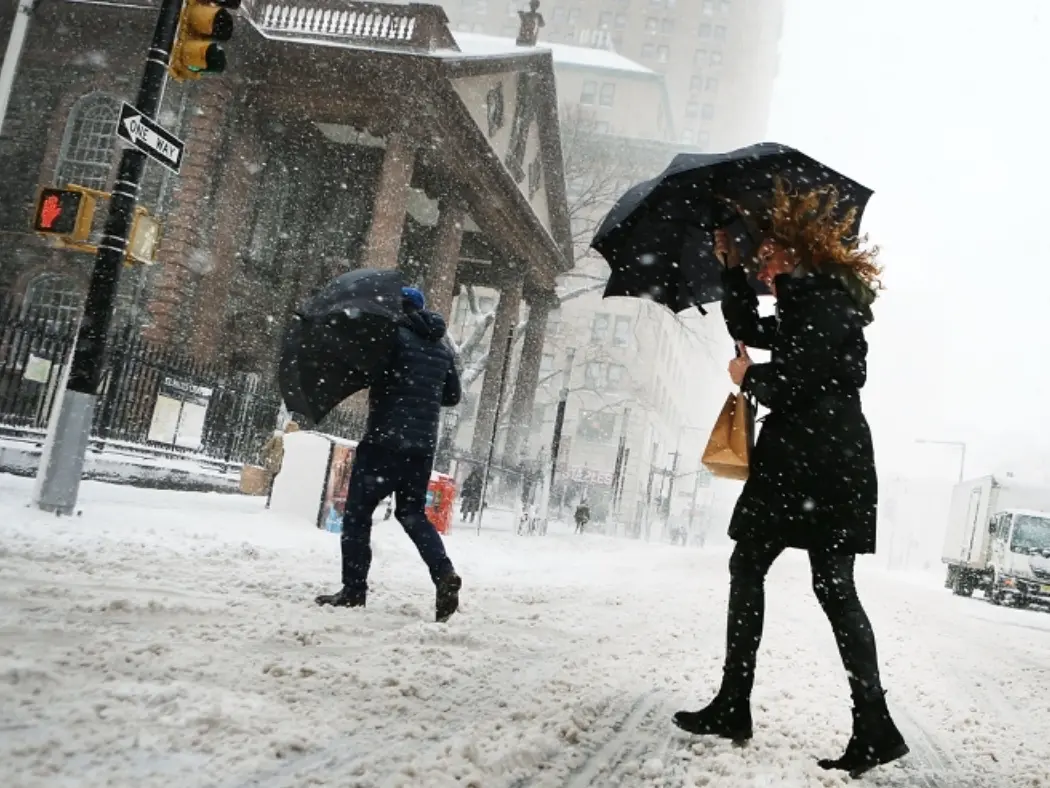
January is typically one of Manhattan’s coldest months. Freezing temperatures, strong winds, and occasional snowstorms can occur.
Wind can make outdoor temperatures feel significantly colder than the actual air temperature. Snow and ice can also affect walking conditions and public transportation.
H3: February Weather
February generally remains cold, although occasional milder days may occur. Snowstorms remain possible, and freezing conditions can continue.
Toward the end of February, signs of the approaching spring may begin to appear, but winter weather should still be expected.
H2: Rainfall and Storms in Manhattan
Rain occurs throughout the year rather than being limited to one specific season. Some months can experience frequent showers, while others may have longer dry periods interrupted by heavy rainfall.
Summer thunderstorms can develop quickly. They may produce heavy rain, lightning, gusty winds, and localized flooding.
Fall can also be affected by tropical weather systems. Although Manhattan is not directly exposed to the Atlantic Ocean like coastal communities, major storms can still bring substantial rainfall and strong winds.
For travelers, checking an hourly forecast can be more useful than looking only at the daily prediction.
H2: Snow and Winter Storms
Snow is an important part of Manhattan’s winter climate, although snowfall amounts vary substantially from year to year.
A winter storm can create several challenges, including:
- Slippery sidewalks
- Reduced visibility
- Delayed transportation
- Difficult driving conditions
- Temporary closures
- Freezing temperatures
- Snow accumulation on streets and rooftops
After a snowstorm, temperatures may remain low enough for snow and ice to persist.
If you’re visiting Manhattan during winter, waterproof footwear with good traction can be more practical than ordinary fashion shoes.
H2: How Manhattan’s Urban Environment Affects Weather
The weather Manhattan residents experience can be influenced by the city’s urban landscape.
H3: The Urban Heat Island Effect
Buildings, roads, sidewalks, and other infrastructure absorb and retain heat. This can contribute to higher temperatures in urban areas compared with surrounding locations, particularly after sunset.
The effect can be especially noticeable during summer heat waves.
H3: Wind Between Buildings
Tall buildings can alter airflow. In some streets, wind can become noticeably stronger as air moves between buildings.
This is particularly relevant during winter. Even when the official temperature does not appear extremely low, wind can make outdoor conditions feel much colder.
H3: Different Conditions Across the City
A forecast for New York City provides a useful overview, but conditions can differ locally. Manhattan’s waterfront areas, densely developed neighborhoods, parks, and elevated locations can experience slightly different conditions.
H2: How to Check the Weather in Manhattan
For the most reliable information, use an up-to-date weather service rather than relying exclusively on seasonal averages.
When checking a forecast, look at:
- Hourly temperature
- Rain probability
- Wind speed and direction
- Humidity
- Feels-like temperature
- Thunderstorm alerts
- Snow forecasts
- Official weather warnings
The National Weather Service is an especially important source for official watches, warnings, and advisories in the United States.
For travel planning, checking the forecast several days ahead can provide a general idea, but conditions become easier to predict as the travel date approaches.
H2: What to Wear in Manhattan by Season
Choosing appropriate clothing depends heavily on the time of year.
Spring
Consider:
- Lightweight jackets
- Sweaters
- Comfortable walking shoes
- Compact umbrellas
Summer
Useful items include:
- Breathable clothing
- Comfortable shoes
- Sunglasses
- Light layers
- Sun protection
Autumn
Consider:
- Jackets
- Sweaters
- Long pants
- Comfortable walking footwear
Winter
Cold-weather visitors should consider:
- Warm coats
- Gloves
- Hats
- Scarves
- Waterproof footwear
- Insulated layers
Because Manhattan is a walking-intensive destination, comfortable footwear is important in every season.
H2: Best Time to Visit Manhattan Based on Weather
There is no single perfect time for everyone. Each season offers different conditions.
Spring provides gradually warming temperatures and blooming greenery. Summer offers long days and numerous outdoor activities but can be hot and humid. Autumn brings cooler temperatures and seasonal foliage. Winter offers holiday events and a distinctive atmosphere but requires preparation for cold and potentially snowy conditions.
Travelers should consider their preferred activities when choosing a travel period.
Someone planning extensive walking tours may prefer milder spring or autumn conditions, while someone interested in winter events may be comfortable visiting during colder months.
H2: Frequently Asked Questions About Weather Manhattan
1. What is the weather like in Manhattan?
Manhattan experiences four distinct seasons. Summers are generally warm to hot and humid, winters are cold with occasional snow, and spring and autumn provide transitional temperatures.
2. Does it snow in Manhattan?
Yes. Manhattan receives snowfall during some winters, although the amount and frequency vary from year to year. Major snowstorms can occasionally disrupt transportation and travel.
3. What is the hottest time of year in Manhattan?
July and August are typically among the warmest months. Heat waves can produce significantly higher temperatures and increased humidity.
4. What is the coldest month in Manhattan?
January is generally among the coldest months of the year. February can also bring substantial cold, snow, and freezing conditions.
5. Should I check an hourly Manhattan weather forecast?
Yes. An hourly forecast can be particularly helpful when planning outdoor activities because rain, thunderstorms, wind, and temperature can change throughout the day.
H2: Final Thoughts on Weather Manhattan
The weather Manhattan has throughout the year reflects the city’s four-season climate and its distinctive urban environment. From snowy winter mornings to humid summer afternoons and colorful autumn days, conditions can change dramatically depending on the season.
For residents and visitors, preparation is the key to dealing with changing conditions. Checking an updated forecast, dressing in layers, carrying appropriate weather gear, and allowing flexibility in travel plans can make it much easier to enjoy Manhattan regardless of the season.
Whether you’re planning a vacation, commuting across the city, exploring Central Park, or simply trying to decide what to wear tomorrow, understanding seasonal Manhattan weather gives you a practical advantage. Always check the latest local forecast and official weather alerts before making plans, especially when severe weather is possible.