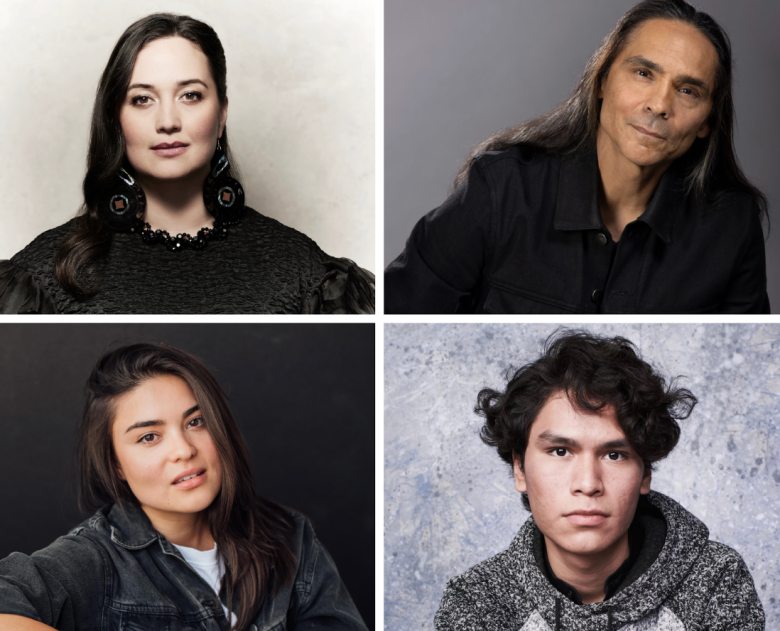
Native American actors have played an important role in the evolution of film and television, helping bring Indigenous experiences, histories, cultures, and contemporary lives to audiences around the world. From acclaimed performers such as Wes Studi and Adam Beach to a newer generation including Lily Gladstone, Amber Midthunder, and other emerging talents, Indigenous actors are increasingly visible across mainstream entertainment.
For decades, however, Native performers faced limited opportunities and were frequently associated with stereotypical roles, particularly in Westerns and historical dramas. Industry conversations have increasingly focused on authentic representation, contemporary Indigenous stories, and creating opportunities for Native writers, directors, producers, and actors.
Today, Native American actors can be found in major movies, television dramas, streaming productions, independent films, and original Indigenous projects. Their careers demonstrate not only the depth of Indigenous talent but also the growing diversity of stories being told on screen.
The History of Native American Actors in Hollywood
The relationship between Native Americans and Hollywood has a complicated history. Early American cinema frequently portrayed Indigenous people through simplified or stereotypical images. Native characters were often written from an outsider’s perspective, while Indigenous performers themselves had relatively few opportunities to portray complex characters.
Over time, Native actors, filmmakers, writers, and advocates pushed for greater control over representation.
Organizations and industry groups have also addressed these issues. SAG-AFTRA, for example, has hosted discussions involving Native American and Indigenous performers, casting directors, writers, and other entertainment professionals about representation and employment opportunities.
One important change has been the growing demand for stories that portray Native people as contemporary individuals rather than limiting them to historical settings.
SAG-AFTRA discussions have specifically highlighted the desire among Indigenous performers to play modern characters and avoid being restricted to stereotypical or period roles.
Famous Native American Actors
There is no single type of Native American performer. Indigenous actors come from different tribal nations and communities and have worked across many genres.
Wes Studi
Wes Studi is one of the most recognizable Native American actors in American cinema.
A citizen of the Cherokee Nation, Studi built a remarkable career with performances in films including Dances with Wolves, The Last of the Mohicans, Geronimo: An American Legend, Heat, Avatar, and Hostiles. His official biography describes how he moved from working with the Cherokee community and performing on stage to becoming an internationally recognized film actor.
Studi’s career is particularly significant because he demonstrated that Native actors could portray complex characters across different genres rather than being limited to conventional Native roles.
In 2019, he received the Academy of Motion Picture Arts and Sciences’ Governors Award for lifetime achievement. His official biography identifies him as the first Native American actor to receive the honor.
His influence extends beyond acting. Studi has also worked to promote Indigenous languages and has participated in mentoring and educational efforts for younger performers and filmmakers.
Adam Beach
Adam Beach is another major name among Native American actors.
The Saulteaux Anishinaabe performer has built a career spanning film and television. Some of his best-known roles include Victor Joseph in Smoke Signals, Ira Hayes in Flags of Our Fathers, and Detective Chester Lake in Law & Order: Special Victims Unit.
Smoke Signals is particularly important in discussions about Native representation because it placed Indigenous characters and performers at the center of a contemporary story rather than presenting Native life exclusively through a historical lens.
Beach has also appeared in numerous television productions and feature films throughout his career, establishing himself as a versatile performer.
Graham Greene
Graham Greene is another highly respected Indigenous actor whose career has crossed film, television, and stage.
He is widely recognized for performances in productions such as Dances with Wolves, Thunderheart, and Longmire. Greene has demonstrated the ability to work across drama, comedy, crime, and Western genres.
His career is also an example of how Indigenous performers have increasingly moved beyond narrowly defined roles.
Lily Gladstone
Lily Gladstone represents a newer generation of Native American actors who have brought Indigenous perspectives into major contemporary productions.
Gladstone, who has Blackfeet and Nez Perce heritage, has received widespread recognition for her film work. Her career includes independent cinema as well as major productions, demonstrating the growing visibility of Indigenous performers in high-profile projects.
Her rise has helped draw greater public attention to Native performers and Indigenous storytelling in modern cinema.
Amber Midthunder
Amber Midthunder has become one of the prominent younger Indigenous performers working in Hollywood.
She has appeared in television and film projects including Legion, Roswell, New Mexico, and Prey. Her work has helped demonstrate that Native American actors can lead projects spanning science fiction, action, drama, and other mainstream genres.
Midthunder has also participated in industry conversations about authentic representation. During a SAG-AFTRA discussion on Indigenous storytelling, she emphasized the importance of portraying Native people as ordinary contemporary individuals as well as historical figures.
Other Native American Actors to Know
The list of Indigenous performers extends far beyond the most famous names.
Some notable Native American and Indigenous actors include:
- Kiowa Gordon, known for The Twilight Saga, Wind Walkers, and Reservation Dogs
- Forrest Goodluck, known for The Revenant and other film and television projects
- Q’orianka Kilcher, known for The New World and television work
- DeLanna Studi, an actor and storyteller involved in discussions surrounding Native representation
- Kimberly Guerrero, whose credits include television and film productions
- Dallas Goldtooth, known for acting and comedy work, including Reservation Dogs
- Lane Factor, known for his role in Reservation Dogs
- Blu Hunt, known for television and film projects
- Kalani Queypo, known for Trickster and other screen productions
SAG-AFTRA’s Indigenous actors and storytellers programs have featured many of these performers and other professionals while discussing casting, storytelling, representation, and career opportunities.
Native American Actors in Television
Television has become an especially important platform for Indigenous performers.
Modern series have increasingly included Native characters who have jobs, families, friendships, personal ambitions, conflicts, and relationships that are not solely defined by their Indigenous identity.
Shows such as Reservation Dogs helped demonstrate the possibilities of contemporary Indigenous storytelling. Other productions have incorporated Native actors into crime dramas, historical series, superhero projects, science fiction, comedies, and family entertainment.
This broader range of roles matters because representation is not only about the number of Indigenous performers appearing on screen. It is also about the kinds of characters they are allowed to play.
SAG-AFTRA has noted that Native performers have historically encountered stereotyping and limited opportunities, while contemporary storytelling has increasingly created space for modern Indigenous characters.
Why Authentic Representation Matters
Authentic representation means more than simply hiring a Native actor.
Indigenous communities are culturally diverse, and Native American identity encompasses numerous tribal nations, languages, histories, and traditions. A story involving one community should not automatically be treated as representative of every Indigenous community.
This is one reason cultural consultation and collaboration can be important when productions depict specific Indigenous communities.
SAG-AFTRA has highlighted the importance of thoughtful research and collaboration with Indigenous cultural consultants when creators develop stories involving Native communities.
Authentic representation can also mean allowing Native performers to play characters whose stories are not primarily about being Native.
A Native actor can portray a doctor, detective, teacher, lawyer, scientist, parent, student, superhero, police officer, musician, businessperson, or any number of other characters.
That variety can help audiences understand Indigenous people as contemporary communities rather than as characters frozen in the past.
Native Actors and the Move Beyond Stereotypes
For much of Hollywood history, Indigenous characters were frequently associated with Westerns and historical narratives.
While historical stories remain important, Native performers have repeatedly expressed interest in playing contemporary characters as well.
At a SAG-AFTRA and Casting Society of America town hall, Indigenous actors discussed the industry’s tendency to cast Native performers disproportionately in historical roles. The conversation also explored the importance of creating opportunities for Indigenous actors in contemporary productions.
This shift is significant because contemporary Native American life is much broader than the images traditionally associated with Hollywood Westerns.
Modern Indigenous storytelling can explore family, identity, romance, comedy, politics, education, work, community life, crime, science fiction, fantasy, and many other subjects.
The Growing Influence of Indigenous Storytellers
Actors are only one part of the larger movement toward stronger Indigenous representation.
Native writers, directors, producers, casting professionals, cinematographers, musicians, and cultural consultants are also contributing to changes in the entertainment industry.
SAG-AFTRA has described the increasing presence of Indigenous content creators developing their own projects as an important part of the changing media landscape.
When Indigenous creators have greater involvement in production, they can bring their own experiences and community perspectives to the storytelling process.
That does not mean every Indigenous story must be created exclusively by Native people. Rather, collaboration, research, consultation, and respect can help productions avoid inaccurate or outdated portrayals.
Why Native American Actors Are Important to Modern Cinema
The importance of Native American actors extends beyond individual performances.
Their presence can challenge assumptions about who belongs in mainstream entertainment and what Indigenous stories can look like.
Performers such as Wes Studi helped establish that Native actors could become major figures in Hollywood while maintaining connections to Indigenous communities. Younger performers are building on that foundation by appearing in contemporary dramas, streaming series, action movies, independent films, and major studio productions.
The result is a broader understanding of Indigenous representation.
Instead of one stereotypical image of a Native character, audiences increasingly encounter a wide range of Indigenous people with different personalities, professions, backgrounds, and experiences.
The Future of Native American Actors
The future of Native American actors will likely continue to involve both greater visibility and ongoing conversations about authenticity.
The entertainment industry still faces challenges involving representation, casting, access to opportunities, and the development of Indigenous stories. Industry discussions organized by SAG-AFTRA and the Casting Society of America show that these issues remain active areas of discussion.
At the same time, the careers of established and emerging performers demonstrate how much the landscape has expanded.
Actors from different tribal backgrounds are appearing in stories that range from historical dramas to modern comedies and genre entertainment. This diversity allows Native performers to demonstrate the same range expected of actors from any other community.
The next stage of Indigenous representation may therefore involve not simply more Native actors on screen, but more opportunities for Native people throughout the creative process.
Frequently Asked Questions
1. Who are some famous Native American actors?
Some well-known Native American actors include Wes Studi, Adam Beach, Graham Greene, Lily Gladstone, Amber Midthunder, Kiowa Gordon, Q’orianka Kilcher, Forrest Goodluck, and Dallas Goldtooth. Their backgrounds and tribal affiliations vary, as do their careers and screen roles.
2. Who was the first Native American actor to receive an honorary Oscar?
Wes Studi received the Academy’s Governors Award in 2019. His official biography describes him as the first Native American actor to receive the honor.
3. Why is Wes Studi important to Native American cinema?
Wes Studi has had a long career in major films and television productions and has portrayed both Indigenous and non-Indigenous characters. His career has helped expand perceptions of what Native actors can accomplish in mainstream entertainment.
4. Are Native American actors appearing in modern television shows?
Yes. Indigenous actors increasingly appear in contemporary television productions across genres. SAG-AFTRA discussions have specifically highlighted the movement toward modern Indigenous characters and stories rather than limiting Native performers to historical roles.
5. Why is authentic Native American representation important?
Authentic representation can help reduce stereotypes and provide audiences with more accurate, diverse portrayals of Indigenous people. Industry discussions have emphasized research, collaboration, cultural consultation, and greater opportunities for Native storytellers.
Conclusion
Native American actors have made an enduring contribution to film and television, from established performers such as Wes Studi, Adam Beach, and Graham Greene to younger talents such as Lily Gladstone and Amber Midthunder.
Their careers illustrate a broader transformation in entertainment: Indigenous performers are increasingly appearing not only in historical stories but also in contemporary dramas, comedies, action films, science fiction, and streaming productions.
The conversation around Native American representation is still developing. Greater visibility is important, but so are meaningful roles, accurate storytelling, opportunities behind the camera, and respect for the diversity of Indigenous communities.
As more Native actors and storytellers gain opportunities to participate in the creative process, audiences can experience a wider and more nuanced range of Indigenous stories. That evolution makes Native American actors an increasingly important part of the modern film and television landscape.