Introduction
Crafting can be relaxing, creative, and rewarding, but keeping craft supplies organized is another story. Paper, fabric, thread, tools, machines, embellishments, paints, and unfinished projects can quickly take over a room. For many hobbyists, the biggest challenge is not finding inspiration—it is finding enough space to create.
The Original ScrapBox was developed to address exactly this problem. Rather than treating craft storage as a collection of separate shelves and plastic containers, the concept combined storage and workspace into a single piece of furniture. Over time, the idea became well known among scrapbookers, quilters, sewists, paper crafters, and other makers.
The company behind the Original ScrapBox eventually changed its name to Create Room in 2020. Its current product line continues the idea through furniture such as the DreamBox. The company itself describes the Original ScrapBox as having evolved into the DreamBox by Create Room.
This guide explores what the Original ScrapBox was, why its design became popular, how it helped solve common craft-room problems, and what modern crafters should know about its evolution.
What Is the Original ScrapBox?
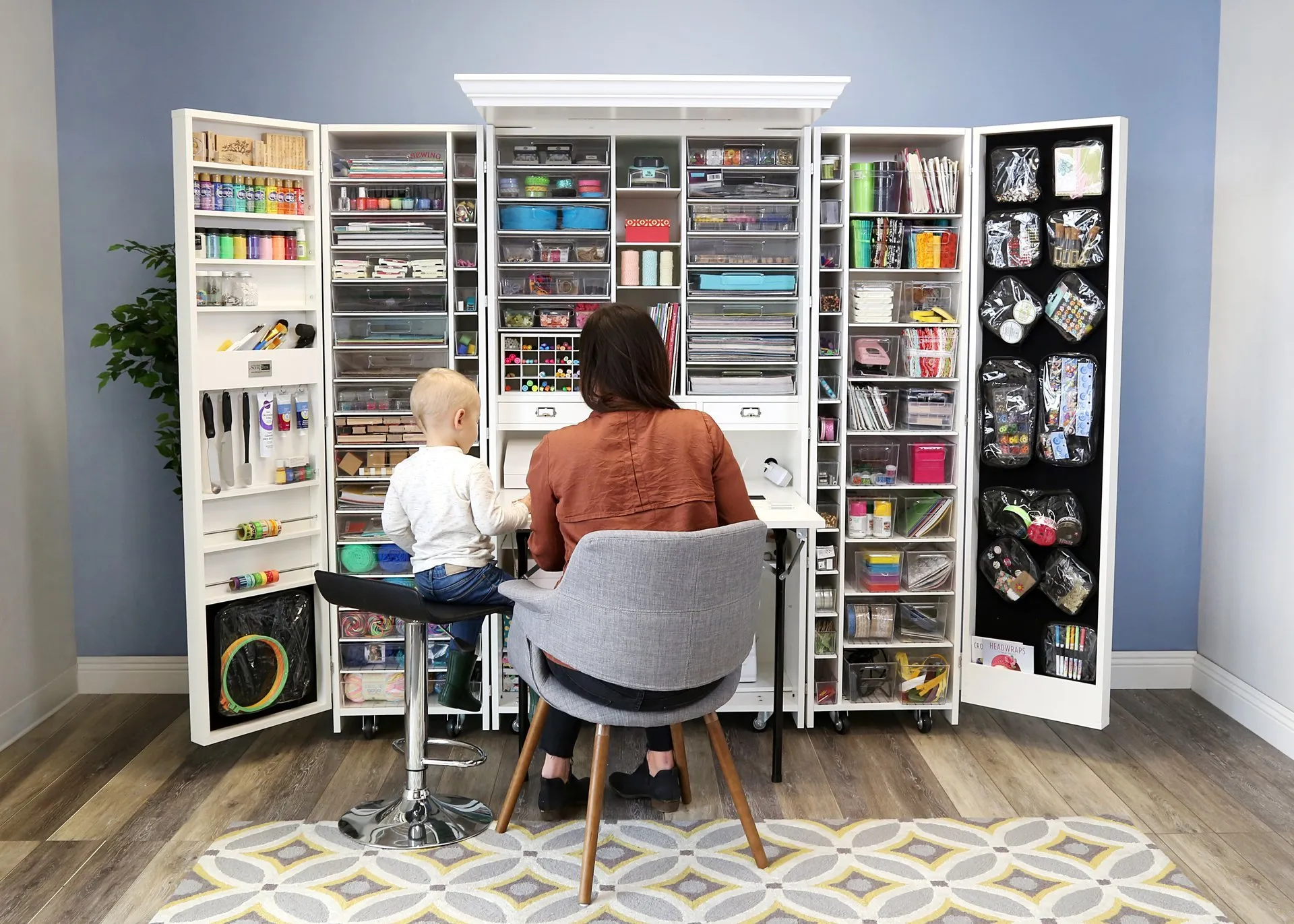
The Original ScrapBox was a specialized craft-storage furniture system designed to combine organization and workspace in one compact unit.
Unlike an ordinary cabinet, it was designed around the needs of people who work with large quantities of craft supplies. The furniture could store tools and materials while also providing a dedicated area for completing projects.
The company’s history indicates that the concept began in 2005 as an attempt to solve the messy craft-room problem common in many homes. The idea was to create an all-in-one solution that could help crafters organize their materials while maintaining a dedicated creative area.
More Than a Storage Cabinet
One reason the Original ScrapBox attracted attention was its combination of storage and functionality.
Traditional storage furniture may provide shelves or drawers but leave the crafter without a practical work surface. A separate desk solves the workspace problem but consumes additional floor space.
The ScrapBox approach attempted to combine both.
When closed, the furniture could resemble a conventional cabinet. When opened, it revealed storage compartments and workspace designed for crafting.
The History Behind the Original ScrapBox
The Original ScrapBox story began in Utah in the mid-2000s. According to the company’s own history, the concept was developed after its founders experienced the frustration of messy craft spaces firsthand.
The company grew as more crafters became interested in having dedicated organizational furniture.
A Major Setback
The business experienced a significant setback in February 2013 when its warehouse was destroyed by fire. According to the company’s account, the event created considerable uncertainty about the future of the business.
Rather than abandoning the concept, the company rebuilt and continued developing its products.
This part of the company’s history is important because the Original ScrapBox was not simply a furniture product. It developed around a community of people who wanted a better way to manage their creative hobbies.
Why the Original ScrapBox Became Popular
The popularity of the Original ScrapBox can largely be explained by one simple problem: craft supplies take up space.
A serious crafter may need materials for multiple projects at the same time. Keeping everything accessible can create clutter, while putting everything away can make it difficult to remember where supplies are located.
The ScrapBox concept attempted to solve both problems.
1. It Combines Storage and Workspace
A dedicated craft desk can be useful, but it still requires separate storage.
The Original ScrapBox brought those functions together. This made the furniture particularly appealing to people who wanted a craft room without filling the entire room with separate cabinets.
2. It Makes Supplies Easier to Organize
Instead of placing everything in random containers, crafters could organize materials according to their projects or categories.
For example, a workspace might include separate areas for:
- Scrapbooking paper
- Cutting tools
- Sewing supplies
- Fabrics
- Adhesives
- Paints
- Beads
- Embellishments
- Electronic cutting machines
- Small accessories
The exact organization depends on the user’s hobby, but the underlying principle is the same: give every category a designated home.
3. It Can Reduce Visual Clutter
One of the biggest advantages of cabinet-style craft furniture is that supplies can be concealed when the project is finished.
This is especially useful for people who use a shared room. Instead of leaving craft supplies across a dining table or living area, a crafter can organize materials inside dedicated furniture.
The WorkBox and the Original ScrapBox Concept
The WorkBox became one of the recognizable products associated with the Original ScrapBox brand.
Historical information from the company shows that The WorkBox had been available since 2005 and underwent several design changes over the years. Earlier versions evolved as the company received customer feedback and developed new configurations.
An archived product description gives an example of the furniture’s space-saving approach: the WorkBox could be relatively compact when closed while opening to reveal a much larger working and storage area.
Designing Around the Crafter
The WorkBox concept demonstrated that craft furniture could be designed differently from ordinary home furniture.
Instead of starting with a generic cabinet and asking how craft supplies could fit inside it, the Original ScrapBox approach started with the crafter’s needs.
That included:
- Frequent access to small supplies
- Multiple ongoing projects
- Need for a work surface
- Limited room space
- Desire to hide clutter
- Need for organized storage
This user-focused approach helped distinguish the furniture from conventional home-storage products.
From Original ScrapBox to Create Room
One of the most important facts about the Original ScrapBox today is that the brand name changed.
In April 2020, The Original ScrapBox officially became Create Room. The company described the change as a new name while maintaining its commitment to helping creators make space for their hobbies.
This means people searching for older Original ScrapBox products may encounter the Create Room name instead.
Why the Name Change Matters
A person searching for an old ScrapBox product might assume the company no longer exists because the original branding is less prominent.
In reality, the concept continued under the Create Room identity.
The company now presents the DreamBox as the evolution of the Original ScrapBox concept.
The DreamBox and Modern Craft Organization
The DreamBox represents the modern continuation of the all-in-one craft-storage idea.
Create Room’s current materials describe the Original ScrapBox as having evolved into the DreamBox. The company’s newer furniture continues to emphasize organization, workspace, and efficient use of home space.
For modern crafters, this evolution reflects a broader trend in home organization.
People increasingly want furniture that performs several functions instead of requiring separate pieces for every activity.
A Dedicated Creative Zone
A well-designed craft cabinet can help create a psychological separation between everyday household activities and creative work.
When the furniture is open, the space becomes a workshop. When it is closed, the room can return to its normal purpose.
This can be especially helpful for people who do not have a dedicated craft room.
Who Can Benefit From Original ScrapBox-Style Furniture?
Although the Original ScrapBox was strongly associated with scrapbooking, its concept can benefit many types of makers.
Scrapbookers
Scrapbookers often need paper, stickers, cutting tools, adhesives, photographs, albums, and embellishments. Keeping these materials categorized can save significant time.
Quilters and Sewists
Fabric, thread, scissors, rulers, sewing accessories, and machines can quickly occupy multiple shelves or tables. Dedicated storage can make it easier to organize these materials.
Paper Crafters
Card makers and paper artists can benefit from compartments for cardstock, specialty paper, punches, stamps, ink, and other small tools.
Jewelry Makers
Beads, wire, clasps, pliers, and other small components are easier to manage when they have designated storage locations.
DIY Enthusiasts
People who work on multiple creative projects can also benefit from furniture that combines storage with a work surface.
How to Organize a Craft Cabinet Efficiently
Owning specialized furniture is only part of the solution. Organization is most effective when the storage system matches the way you actually work.
Group Similar Items Together
Keep related supplies in the same area.
For example, cutting tools should ideally remain together rather than being scattered across multiple shelves.
Store Frequently Used Items at Eye Level
Items used every day should be easy to reach.
Less frequently used materials can be stored in less accessible areas.
Label Containers
Small supplies can quickly become difficult to identify. Labels make it easier to locate items without opening every box.
Keep Current Projects Together
If you work on multiple projects, consider giving each project its own container or designated area.
This prevents pieces of one project from becoming mixed with another.
Choosing Craft Furniture for a Small Room
The Original ScrapBox concept is particularly relevant to people working with limited space.
Before purchasing large furniture, measure:
- Available wall width
- Ceiling height
- Door clearance
- Walking space
- Nearby furniture
- Electrical outlets
- Opened furniture dimensions
The last point is especially important.
A cabinet may fit comfortably when closed but require considerably more room when doors, tables, or work surfaces are opened.
Materials and Construction
Craft furniture needs to withstand regular use. The company FAQ explains that its USA factory uses manufactured wood with a melamine finish for certain furniture components, while other design elements can include materials such as solid Knotty Alder, MDF, and rigid thermofoil depending on the product and finish.
The company also explains that melamine surfaces are intended to be easy to clean and that certain thermofoil components are designed to resist warping and provide durability.
Why Easy Cleaning Matters
Crafting can be messy.
Glue, ink, dust, paper scraps, paint, and other materials can end up on furniture surfaces.
Easy-to-clean finishes can therefore be a practical advantage, especially for people who use their workspace frequently.
Assembly and Delivery Considerations
One important consideration when buying large craft furniture is assembly.
The company FAQ states that its furniture is shipped flat-packed and requires assembly. It also notes that assembly time for the DreamBox can range from approximately four to eight hours depending on experience.
This means buyers should plan for more than simply unpacking a finished cabinet.
Prepare Before Assembly
Before beginning, make sure you have:
- Adequate floor space
- A clear assembly area
- The required tools
- Enough time
- Help for moving large components when necessary
Planning ahead can make the process significantly easier.
Is an Original ScrapBox Worth Considering?
Whether this type of furniture is worthwhile depends on your crafting habits, available space, and budget.
For someone who crafts occasionally and owns only a few supplies, a basic desk and storage bins may be enough.
For a serious crafter with large quantities of materials, a dedicated all-in-one workstation can provide substantial organizational benefits.
Consider Your Crafting Frequency
Ask yourself how often you craft.
If you use your workspace several times a week, having supplies organized and ready to go can save considerable setup and cleanup time.
Consider the Value of Convenience
The value of craft furniture is not only measured by storage capacity.
Convenience matters too.
Being able to sit down and immediately start a project can make it easier to spend more time creating and less time preparing.
Frequently Asked Questions
1. What was the Original ScrapBox?
The Original ScrapBox was a line of specialized craft furniture designed to combine storage and workspace. It became known for helping crafters organize large collections of supplies in a relatively compact area.
2. Is the Original ScrapBox still available under that name?
The company changed its name from The Original ScrapBox to Create Room in April 2020. Its current products continue the same general philosophy of organized creative workspaces.
3. What replaced the Original ScrapBox?
The company’s current information describes the DreamBox by Create Room as an evolution of the Original ScrapBox concept.
4. Who is Original ScrapBox furniture designed for?
The furniture is particularly useful for crafters who work with many supplies, including scrapbookers, quilters, sewists, paper crafters, and other creative hobbyists.
5. Does the furniture require assembly?
Yes. The company’s FAQ states that its furniture is delivered flat-packed and requires assembly. For the DreamBox, the stated assembly time is approximately four to eight hours depending on experience.
Conclusion
The Original ScrapBox became popular because it addressed a simple but persistent problem: creative people often have more supplies than storage space.
By combining organized storage with a dedicated workspace, the concept offered an alternative to scattered bins, shelves, and temporary crafting stations. Its history began in 2005, and the company continued developing the idea through different furniture designs and configurations.
The most important update for people researching the Original ScrapBox today is the brand’s evolution. In 2020, The Original ScrapBox became Create Room, and the company now describes the DreamBox as an evolution of the original concept.
For anyone building a craft room or trying to organize a creative hobby in a limited space, the underlying idea remains useful: good storage should make creativity easier, not create another organizational problem.
Whether you choose a specialized craft cabinet, modular shelving, a dedicated desk, or a combination of storage solutions, the goal should be the same—keep your tools accessible, your workspace comfortable, and your creative process enjoyable.