Introduction
Tim Curry stroke is one of the most recognizable actors of his generation, celebrated for unforgettable performances in The Rocky Horror Picture Show, Clue, It, Annie, Legend, and numerous voice-acting projects. His distinctive voice, theatrical style, and ability to move between comedy, horror, drama, and musical theater made him a remarkably versatile performer.
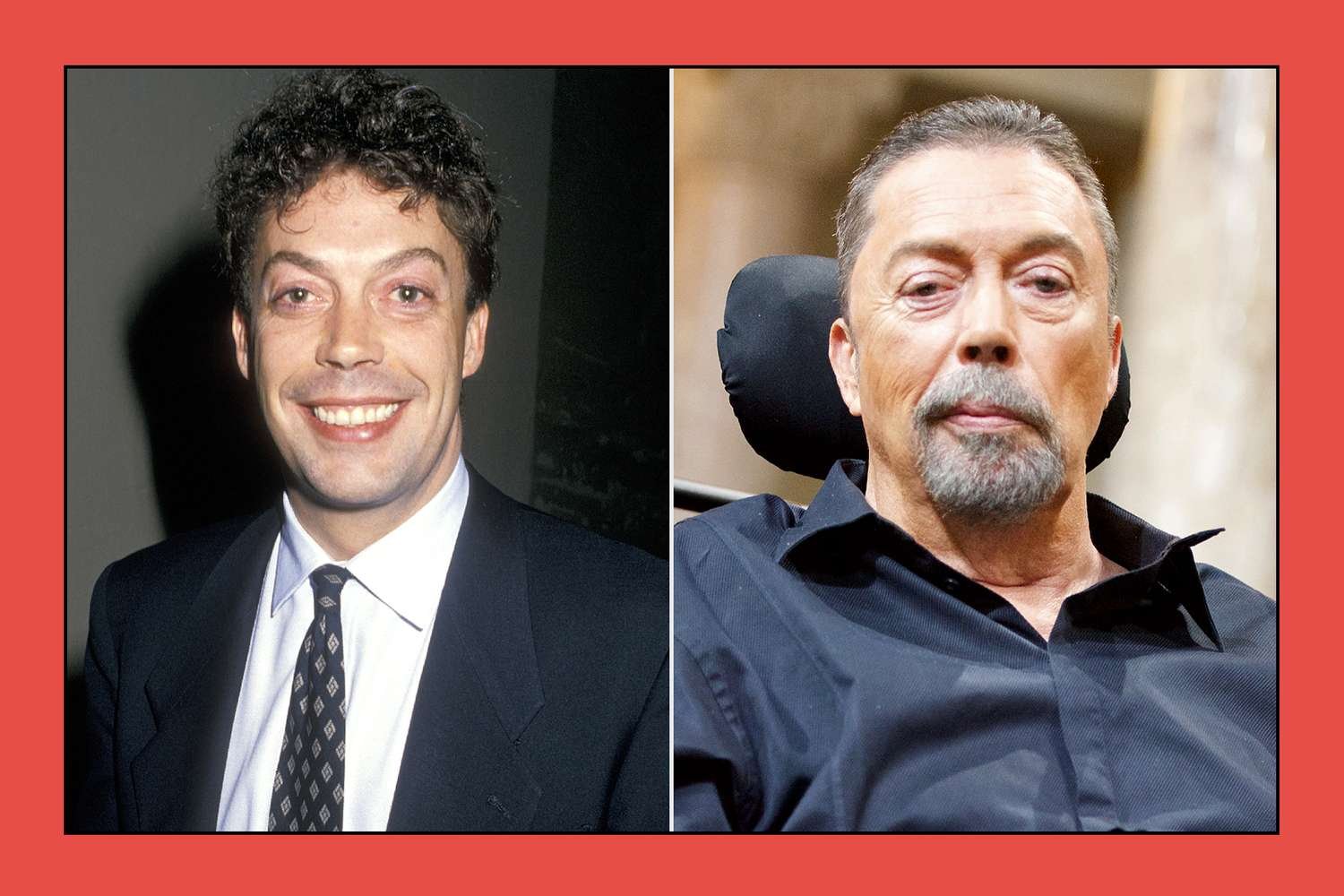
However, Curry’s life and career changed dramatically in 2012 when he suffered a major stroke. The medical emergency resulted in significant physical challenges and a long rehabilitation process. Curry subsequently had to adapt to changes in his mobility and speech while finding new ways to continue working.
The Tim Curry stroke story is therefore more than an account of a serious medical event. It is also a story about rehabilitation, adaptation, privacy, and an actor finding ways to remain creatively active despite lasting physical limitations.
When Did Tim Curry Have a Stroke?
Tim Curry suffered a major stroke in July 2012. According to his official biography, he was receiving a massage when the therapist became concerned about his condition and called emergency services. Curry later explained that he did not realize he was having a stroke and initially felt fine.
The incident was particularly frightening for Curry because his father, James Curry, had also experienced strokes when Tim was a child. Curry has spoken about remembering his father when doctors told him what had happened.
News of Curry’s stroke did not become public immediately. His family and close friends maintained his privacy while he began treatment and rehabilitation. The public learned about the stroke in 2013, roughly a year after the event. His representative subsequently confirmed that Curry was recovering and undergoing physical therapy.
What Happened During Tim Curry’s Stroke?
Curry later revealed that the stroke involved blood clots in his brain and required serious medical intervention. In interviews, he described undergoing brain surgery and spending approximately a month in the hospital.
The stroke affected the right side of his brain and produced significant problems on the left side of his body. Curry subsequently experienced paralysis and major mobility limitations.
One of the most difficult aspects of his recovery was speech. Curry explained that he had to relearn how to speak after the stroke. For an actor and performer whose career had always depended heavily on communication, this was an especially challenging part of rehabilitation.
In a later CBS interview, Curry recalled how strange it felt to temporarily lose his ability to communicate. He emphasized how much he loved words and conversation, making the loss of speech particularly frustrating.
Why the Stroke Was So Significant
A stroke occurs when blood flow to part of the brain is interrupted or when bleeding occurs in the brain. Brain cells can become damaged because they are not receiving sufficient oxygen.
The effects depend heavily on which area of the brain is affected and how severe the injury is. Possible consequences include difficulties with movement, speech, balance, memory, and other neurological functions.
In Curry’s case, the effects were substantial enough to alter his mobility and dramatically change the way he worked.
Tim Curry’s Stroke Recovery
Recovery from a serious stroke can take months or years, and Curry’s rehabilitation was a long-term process rather than a quick return to normal life.
His official biography states that he worked extremely hard on his recovery and eventually returned to professional work. Physical therapy was an important part of the process.
Curry’s recovery also demonstrated that surviving a stroke does not necessarily mean returning to the exact physical condition a person had before the event. Although he regained important abilities, some limitations remained for many years.
His later interviews provide a clearer picture of those lasting effects.
Did Tim Curry Recover From His Stroke?
Yes, but his recovery was incomplete in physical terms.
Curry was able to speak again and continued participating in professional projects. However, he experienced persistent mobility problems and used a wheelchair in his later years.
During a 2025 interview, Curry discussed the lasting impact of the stroke and explained that he still could not walk independently. He also described continuing problems involving his left leg and left arm.
This distinction is important when discussing Tim Curry’s stroke recovery. Recovery does not always mean eliminating every symptom. For Curry, recovery meant regaining communication abilities, continuing rehabilitation, adapting to physical limitations, and maintaining a connection with his creative work.
How the Stroke Changed Tim Curry’s Career
Before his stroke, Curry had spent decades working across film, television, stage productions, music, and voice acting.
His physical performances were an important part of his reputation. Roles such as Dr. Frank-N-Furter in The Rocky Horror Picture Show, Darkness in Legend, and Pennywise in the 1990 television adaptation of Stephen King’s It relied heavily on his physical presence as well as his voice.
After the stroke, however, extensive physical acting became much more difficult.
A Greater Focus on Voice Acting
Tim Curry Stroke Voice work became an especially practical way for Curry to continue performing. His distinctive voice had already made him a successful voice actor, including his acclaimed work as Nigel Thornberry in The Wild Thornberrys and Captain Hook in Peter Pan and the Pirates. His official biography notes that he continued recording voice projects following his stroke.
This allowed Curry to remain creatively active without requiring the physical demands of a traditional film or stage performance.
His post-stroke work is an important reminder that an actor’s career can evolve rather than simply end after a major health event.
Tim Curry Returned to the Screen
Curry did not completely disappear from entertainment following his stroke.
In 2016, he appeared as the Criminologist in the television production The Rocky Horror Picture Show: Let’s Do the Time Warp Again. The role was particularly meaningful because it connected him with the production that had become one of the defining achievements of his career.
He also participated in later readings and voice projects. His continued involvement demonstrated his willingness to remain connected to audiences even after his physical abilities had changed.
Tim Curry’s Public Comments About His Health
For many years, Curry kept his health situation largely private. His later interviews offered fans a more personal understanding of what happened.
In 2025, while discussing his memoir Vagabond, Curry spoke more openly about his stroke and its consequences. He described the frightening experience of being taken to the hospital, undergoing surgery, and needing rehabilitation afterward.
He also maintained the humor that had long been associated with his public personality.
Rather than presenting his life solely through the lens of illness, Curry continued talking about acting, creativity, memories, friendships, and his decades-long career.
Tim Curry and His Later Years
Curry continued to make occasional public appearances and remained closely associated with The Rocky Horror Picture Show and his broader body of work.
His 2025 memoir, Vagabond, provided additional insight into his life and career, including the experience of surviving a major stroke.
In August 2026, Curry died at age 80 at his Los Angeles home. Contemporary reporting confirmed his death, while reports about his health emphasized that he had lived with lasting complications from the 2012 stroke.
It is important not to confuse the stroke with the cause of his death. Reports published after his death identified coronary artery disease as the cause, rather than describing the 2012 stroke itself as his cause of death.
What Tim Curry’s Stroke Can Teach Us About Recovery
Curry’s experience illustrates several realities about stroke recovery.
Recovery Can Be Long-Term
Stroke rehabilitation is not necessarily completed within weeks or months. Some people continue working on physical abilities long after leaving the hospital.
Mobility May Remain Limited
Even after successful rehabilitation, neurological damage can leave lasting movement problems. Curry’s later reliance on a wheelchair demonstrates how a stroke can permanently change everyday mobility.
Speech Rehabilitation Can Be Crucial
Curry specifically discussed having to relearn speech. Speech and language difficulties can be among the most challenging consequences of neurological injury, particularly for people whose careers depend on communication.
Adaptation Is Part of Recovery
Curry adapted his professional life by continuing with voice work and other projects that were compatible with his physical limitations.
His story demonstrates that adaptation can be an important part of rebuilding a meaningful life after a serious medical event.
Frequently Asked Questions About Tim Curry’s Stroke
1. When did Tim Curry have a stroke?
Tim Curry suffered a major stroke in July 2012. The incident was initially kept private, and details became public the following year.
2. What caused Tim Curry’s stroke?
Public accounts state that Curry had blood clots in his brain and required brain surgery. Reliable sources do not establish a simple lifestyle explanation or single underlying cause, so claims beyond the documented medical details should be treated cautiously.
3. Did Tim Curry lose the ability to speak?
Temporarily, yes. Curry said that he had to relearn how to speak during his rehabilitation. He eventually regained his ability to communicate and continued giving interviews and performing voice work.
4. Could Tim Curry walk after his stroke?
Curry experienced long-term mobility problems. In a 2025 interview, he said that he still could not walk and described continuing problems with his left leg. He used a wheelchair during his later years.
5. Did Tim Curry continue acting after his stroke?
Yes. Although his physical acting work became more limited, Curry continued working, particularly through voice projects. He also appeared in The Rocky Horror Picture Show: Let’s Do the Time Warp Again in 2016 and remained involved in other entertainment projects.
Conclusion
The story of Tim Curry’s stroke is an important chapter in the life of an actor whose career had already crossed theater, film, television, music, and voice acting.
His major stroke in July 2012 dramatically changed his physical abilities. He required brain surgery, spent significant time in the hospital, underwent rehabilitation, and had to relearn how to speak. Long-term mobility problems remained, including difficulties involving his left side and an inability to walk independently in his later years.
Yet the stroke did not erase Curry’s identity as a performer. He continued working through voice acting and selected screen and entertainment appearances. His later reflections also showed that he was willing to discuss difficult experiences with honesty and humor.
Tim Curry’s legacy ultimately extends far beyond his health struggles. From Dr. Frank-N-Furter to Pennywise, from Broadway to animation, his performances influenced multiple generations of audiences. His post-stroke career adds another dimension to that legacy: the ability to adapt creatively when circumstances change.
His experience also highlights an important reality about stroke recovery—survival and rehabilitation can look different for every individual. Some abilities may return while others remain permanently affected. For Curry, adapting to those changes allowed him to remain connected to his craft and his audience for many years after the medical crisis.