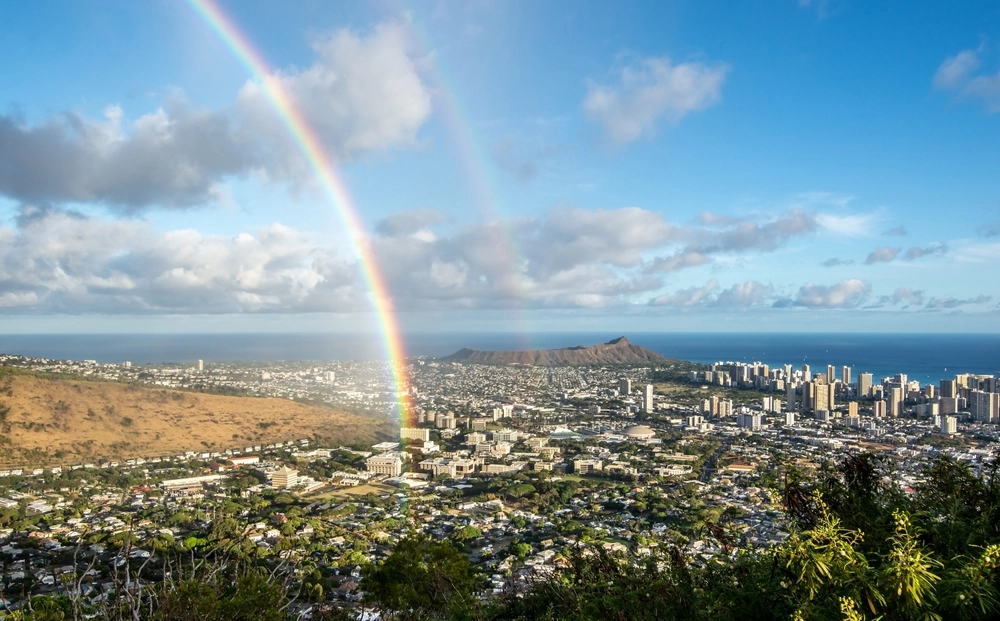
When people search for “weather Honolulu,” they are often looking for more than a simple temperature forecast. Honolulu, the capital of Hawaii, is famous for its warm tropical climate, sunny beaches, ocean breezes, and relatively small changes in temperature throughout the year. However, the city’s weather is not identical every day, and rainfall, wind, humidity, and local geography can all influence conditions.
Located on the island of Oahu, Honolulu benefits from its tropical Pacific location. The National Weather Service describes Hawaii’s climate as having mild temperatures throughout the year, moderate humidity, persistent northeasterly trade winds, and significant rainfall differences over short distances. Hawaii generally has two broad seasons: a warmer and drier summer period from May through October and a cooler, wetter winter period from October through April.
For travelers, residents, and anyone planning outdoor activities, understanding Honolulu weather can make it much easier to decide what to pack and when to visit.
Honolulu Weather at a Glance
Honolulu has a warm climate throughout the year. Official climate records show relatively modest seasonal temperature changes compared with many mainland U.S. cities.
According to NOAA climate data for Honolulu, the normal annual daily maximum temperature is about 84.6°F, while monthly normal maximum temperatures range from roughly 80.5°F in January and February to 88.8°F in August.
Here is a quick overview:
| Weather Factor | Typical Honolulu Conditions |
|---|---|
| Climate | Tropical, warm year-round |
| Winter period | October through April |
| Summer period | May through October |
| Typical daytime highs | About 80°F–89°F |
| Warmest period | July–September |
| Cooler period | January–February |
| Rainfall | Variable, with wetter winter months |
| Common winds | Northeasterly trade winds |
| Snow | Not a normal Honolulu weather feature |
These are climate patterns rather than guarantees for a particular day. Climate normals are long-term averages, while actual daily weather can vary. NOAA explains that climate normals are standardized averages used to understand typical conditions over a 30-year period.
What Is the Weather Like in Honolulu?
Honolulu is known for warm temperatures and relatively limited seasonal variation.
Unlike cities that experience freezing winters followed by very hot summers, Honolulu generally remains within a comfortable tropical range. The National Weather Service notes that Hawaii’s tropical location results in relatively uniform day length and temperature throughout the year.
This makes Honolulu attractive for people who enjoy outdoor activities such as:
- Beach trips
- Swimming
- Surfing
- Hiking
- Sailing
- Snorkeling
- Sightseeing
- Outdoor dining
However, warm temperatures do not mean the weather is always dry or cloudless. Honolulu can experience passing showers, especially when moisture moves across the islands.
Honolulu Weather by Season
Although Hawaii does not experience four traditional seasons in the same way as many continental locations, there are meaningful differences between its warmer and cooler periods.
Honolulu Weather in Winter
Honolulu’s winter generally runs from October through April.
This period tends to be somewhat cooler and wetter than summer. NOAA’s Honolulu climate data shows normal daily maximum temperatures around 80°F in January and February, compared with highs approaching 89°F during the late summer.
Winter rainfall can also be more noticeable.
However, “wetter” does not necessarily mean constant rain. Honolulu can have sunny periods even during the wetter season, and weather can change quickly.
Winter is also an important period for visitors interested in Oahu’s famous surf conditions. While Honolulu itself can remain pleasant, different parts of Oahu can experience very different surf and rainfall conditions.
Honolulu Weather in Spring
Spring brings a gradual transition toward warmer and generally drier conditions.
March and April typically see daytime temperatures moving upward, while rainfall patterns begin changing as the island transitions toward its warmer season.
April is particularly interesting because NOAA climate data shows a normal daily maximum around 83°F, compared with about 80.5°F in January and February.
Spring can be a comfortable period for sightseeing because temperatures remain warm without necessarily reaching the highest levels of summer.
Honolulu Weather in Summer
Summer generally covers May through October.
According to the National Weather Service, Hawaii’s summer season is considered to run from May through October.
Honolulu’s temperatures rise during these months. NOAA data shows normal daily maximum temperatures of approximately:
- May: 84.8°F
- June: 86.9°F
- July: 88.1°F
- August: 88.8°F
- September: 88.4°F
- October: 86.9°F
These figures demonstrate why summer is generally regarded as the warmest part of the year.
Summer weather is often suitable for beach activities, although visitors should still pay attention to heat, sun exposure, winds, and changing ocean conditions.
Honolulu Weather in Fall
Fall provides a transition from the warm summer period toward the wetter winter season.
September remains one of Honolulu’s warmest months, with a normal daily maximum around 88.4°F, while October’s normal maximum drops to about 86.9°F.
By November and December, temperatures become somewhat cooler, and rainfall generally becomes more significant.
Fall can still provide plenty of sunshine, but visitors should be prepared for occasional showers.
Honolulu Temperature Throughout the Year
One of the defining characteristics of Honolulu weather is its relatively narrow annual temperature range.
NOAA’s Honolulu data lists a normal annual daily maximum of approximately 84.6°F. The normal monthly maximum ranges from about 80.5°F in January and February to 88.8°F in August.
This means Honolulu does not have the dramatic temperature swings found in many continental cities.
Is Honolulu Hot?
Honolulu can certainly feel hot, particularly during summer afternoons.
However, the city’s location beside the Pacific Ocean and its regular trade winds can moderate conditions. The National Weather Service identifies persistent northeasterly trade winds as one of the notable features of Hawaii’s climate.
Humidity can also affect how warm the weather feels.
For visitors accustomed to cooler climates, even temperatures in the low or middle 80s can feel quite warm when combined with strong sunshine.
Does It Rain a Lot in Honolulu?
Honolulu does receive rainfall, but the amount and timing can vary considerably.
This is one of the most important things to understand about weather in Honolulu. A forecast showing rain does not necessarily mean an entire day will be wet.
The National Weather Service emphasizes that rainfall varies dramatically across Hawaii, sometimes over very short distances. Mountains play an important role because moist trade-wind air can rise over steep terrain and produce orographic rainfall.
NOAA’s Honolulu climate data shows annual precipitation around 17 inches in the cited climate-normal dataset, with considerably more rainfall in some winter months than in late spring and summer.
This helps explain why Honolulu can experience a mixture of sunshine and showers rather than the prolonged rainfall associated with some tropical destinations.
Honolulu Weather and Trade Winds
Trade winds are a major part of the Hawaiian weather experience.
These winds commonly arrive from the northeast and can help make warm days feel more comfortable. The National Weather Service identifies persistent northeasterly trade winds as one of Hawaii’s outstanding climate features.
Trade winds also influence rainfall distribution.
As moist air moves from the ocean toward Hawaii’s mountainous terrain, it can rise and cool, producing clouds and rain. This process contributes to the dramatic differences in rainfall between different parts of the islands.
For visitors, trade winds can also affect:
- Sailing conditions
- Surfing
- Beach comfort
- Hiking
- Outdoor photography
- Kiteboarding
- Boat excursions
Honolulu Weather and Humidity
weather Honolulu has a tropical climate, so humidity is a normal part of the weather.
The National Weather Service describes Hawaii as having moderate humidity, although humidity levels can vary throughout the day and according to wind and weather patterns.
A light breeze can make warm conditions feel more pleasant, while still air can make the same temperature feel considerably warmer.
Travelers should therefore consider more than the temperature number when planning outdoor activities.
Honolulu Weather for Beach Days
Honolulu’s warm climate makes beach activities possible throughout much of the year.
Popular activities include:
- Swimming
- Sunbathing
- Snorkeling
- Surfing
- Paddleboarding
- Beach walks
However, ocean conditions should always be considered separately from air temperature.
A warm, sunny day does not automatically mean that ocean conditions are safe for every activity. Visitors should follow local beach warnings, lifeguard instructions, surf advisories, and ocean-condition reports.
What to Wear in Honolulu
Because Honolulu remains warm throughout much of the year, lightweight clothing is generally useful.
A typical packing list may include:
- Lightweight shirts
- Shorts
- Comfortable walking shoes
- Sandals
- Swimwear
- Sunglasses
- Hat or cap
- Light rain jacket
- Sunscreen
A light layer can also be useful for evenings, air-conditioned buildings, or higher-elevation excursions.
During the wetter months, a compact rain jacket or umbrella can be particularly practical.
Best Time to Visit Honolulu Based on Weather
There is no single month that is perfect for every traveler.
People who prioritize warmer and generally drier conditions may prefer the summer period. Those who enjoy slightly cooler temperatures and do not mind occasional rain may consider the winter season.
The most important point is that Honolulu’s climate is relatively mild throughout the year. The National Weather Service notes that Hawaii’s tropical location produces comparatively small seasonal variations in temperature.
Therefore, the best time to visit often depends on what activities you want to do, your budget, crowd preferences, and tolerance for rain rather than temperature alone.
Honolulu Weather Can Change Quickly
Visitors should not assume that a morning shower means an entire day will be rainy.
Tropical island weather can change quickly, and localized showers are common. One part of Oahu may receive rain while another remains sunny.
This is especially important because Honolulu is located near mountainous terrain that influences local weather patterns.
For day-to-day planning, checking the latest forecast is more useful than relying exclusively on monthly climate averages.
Current Weather vs. Honolulu Climate
There is an important difference between weather and climate.
Weather describes what is happening now or what is expected over the next several days. Climate describes long-term patterns.
For example, saying that Honolulu normally has warm temperatures in August is a climate statement. Saying that Honolulu will reach a particular temperature tomorrow is a weather forecast.
NOAA explains that climate normals provide standardized long-term averages, while current observations and forecasts are used to understand immediate conditions.
This distinction is particularly important when researching the keyword weather Honolulu because searchers may be looking for either today’s forecast or general climate information.
Frequently Asked Questions About Weather Honolulu
1. What is the weather like in Honolulu year-round?
Honolulu generally has warm weather throughout the year. Normal daily maximum temperatures range from about 80°F in the coolest months to nearly 89°F in the warmest months.
2. What is the hottest month in Honolulu?
Based on the cited NOAA climate data, August has the highest normal daily maximum temperature, at approximately 88.8°F. July and September are also among the warmest months.
3. Does Honolulu get rain?
Yes. Honolulu receives rainfall throughout the year, although amounts vary by month. Winter generally tends to be wetter than late spring and summer. Hawaii’s mountains also create major differences in rainfall between locations.
4. What are the seasons in Honolulu?
Hawaii generally has two broad seasons: summer from May through October and winter from October through April. The difference is more noticeable in rainfall and modest temperature changes than in extreme seasonal temperatures.
5. Is Honolulu warm in winter?
Yes. Honolulu remains relatively warm during winter. NOAA climate data lists normal daily maximum temperatures around 80.5°F in January and February, although individual days can be cooler or warmer.
Conclusion
The weather in Honolulu is one of the city’s biggest attractions. Warm temperatures, ocean breezes, tropical surroundings, and relatively small seasonal temperature changes create a climate that supports outdoor activities throughout much of the year.
NOAA climate data shows normal daytime highs ranging from around 80°F during the coolest winter months to nearly 89°F during the warmest part of summer. Rainfall is more variable, with wetter conditions generally occurring during the cooler season, while Hawaii’s mountainous landscape creates substantial local differences in precipitation.
For travelers, the key is to prepare for both sunshine and occasional showers. Lightweight clothing, sun protection, comfortable footwear, and a light rain layer can cover most situations.
Whether you are planning a beach vacation, exploring Oahu, hiking, or simply researching Honolulu’s climate, understanding the city’s seasonal patterns can help you make better plans. And because daily weather can differ from long-term averages, checking an up-to-date forecast before heading out remains the best way to prepare for the conditions you will actually encounter.