The Manhattan drink is one of the most recognizable classic cocktails in the world. Elegant, balanced, and surprisingly simple, it combines whiskey, sweet vermouth, and aromatic bitters to create a drink with a rich flavor and unmistakable character.
Unlike complicated modern cocktails that can require numerous ingredients, the Manhattan relies on a small number of carefully chosen components. The quality of the whiskey, vermouth, and bitters can therefore make a noticeable difference in the finished cocktail.
The drink has remained popular for generations because it works in many settings. It can be served as a sophisticated pre-dinner cocktail, enjoyed at a classic cocktail bar, or prepared at home when you want something more refined than a basic mixed drink.
But what exactly makes a Manhattan special? Where did it come from, how is it traditionally prepared, and what are the best ways to customize it? This guide explores everything you need to know about this enduring cocktail.
What Is a Manhattan Drink?
A Manhattan is a classic whiskey-based cocktail traditionally made with three main ingredients:
- Whiskey
- Sweet vermouth
- Aromatic bitters
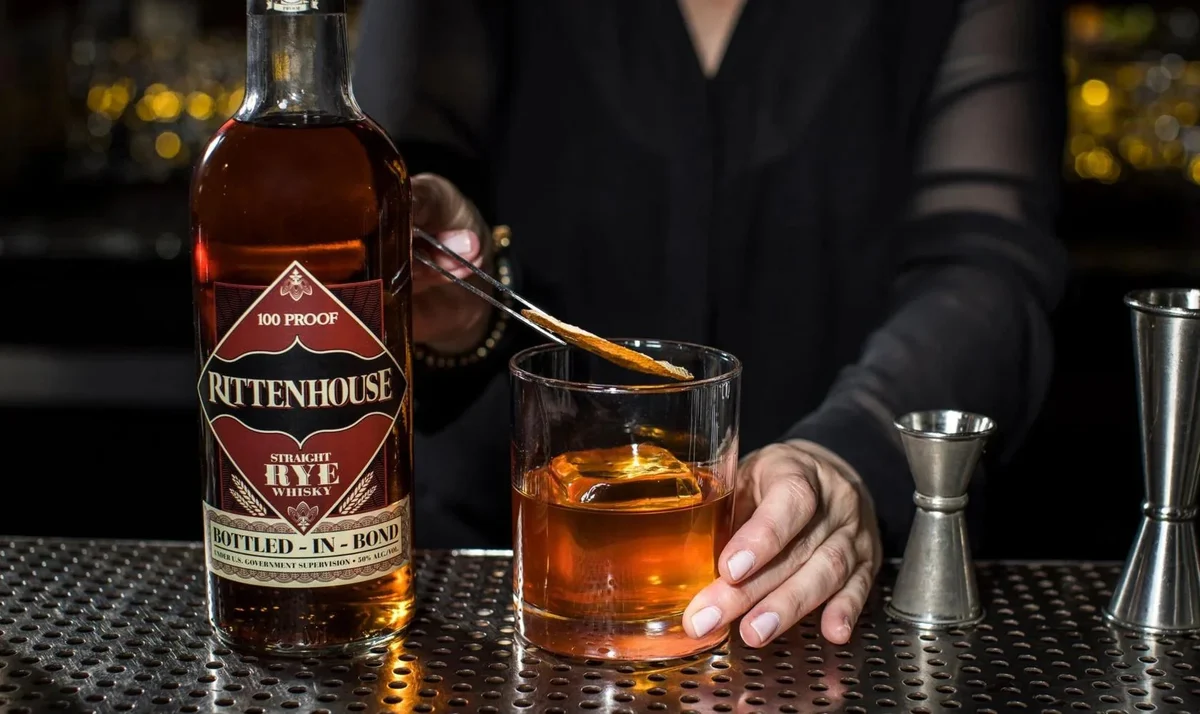
The ingredients are usually stirred with ice rather than shaken. The finished drink is strained into a chilled cocktail or coupe glass and commonly garnished with a brandied cherry.
The result is smooth, aromatic, slightly sweet, and spirit-forward. Whiskey provides the foundation, while sweet vermouth contributes herbal and wine-like flavors. Bitters bring aromatic depth and help tie the ingredients together.
The Manhattan is often associated with rye whiskey, although bourbon is also widely used today.
What Does a Manhattan Taste Like?
The flavor depends heavily on the whiskey and vermouth selected, but a well-made Manhattan generally has a balanced combination of:
- Warm whiskey notes
- Sweet and herbal vermouth flavors
- Aromatic spice from bitters
- A subtle fruit character from the garnish
It is stronger and less sugary than many contemporary cocktails. For that reason, it is particularly appealing to people who enjoy whiskey-forward drinks.
Manhattan Drink Ingredients
The classic recipe is relatively straightforward, but each ingredient has an important role.
Whiskey
Whiskey forms the backbone of the cocktail. Traditionally, rye whiskey is closely associated with the Manhattan because its spicy, dry character works well with sweet vermouth.
Bourbon is another popular choice. Because bourbon generally has a sweeter and rounder flavor profile, a bourbon Manhattan can taste softer and richer.
There is no universal rule requiring one particular whiskey. Experimenting with different bottles can reveal how dramatically the cocktail changes.
Sweet Vermouth
Sweet vermouth is a fortified and aromatized wine. It adds sweetness, herbal notes, spice, and complexity to the drink.
Because vermouth is an essential part of the cocktail rather than simply a minor mixer, using a fresh bottle can make a substantial difference.
Once opened, vermouth should generally be refrigerated and used within a reasonable period to maintain its quality.
Aromatic Bitters
A few dashes of aromatic bitters provide concentrated flavor and balance. Bitters may contribute spice, herbs, citrus, and other aromatic elements.
Although only a small quantity is used, leaving them out can make the drink taste noticeably flatter.
Garnish
A classic Manhattan is often finished with a cocktail cherry. The garnish adds a small amount of fruit character and provides a traditional visual finish.
Some variations use a lemon twist instead, particularly when the drink is prepared with a drier style.
How to Make a Manhattan Drink
One of the reasons the Manhattan remains popular is that it does not require specialized equipment or complicated techniques.
Classic Manhattan Recipe
A commonly used starting formula is:
- 2 ounces whiskey
- 1 ounce sweet vermouth
- 2 dashes aromatic bitters
- Ice
- Cocktail cherry for garnish
Step-by-Step Instructions
1. Chill the glass.
Place a cocktail glass in the freezer or fill it temporarily with ice and water while preparing the drink.
2. Add the ingredients.
Pour the whiskey, sweet vermouth, and bitters into a mixing glass.
3. Add ice.
Use plenty of fresh ice to properly chill the ingredients.
4. Stir.
Stir smoothly for approximately 20 to 30 seconds. Stirring chills and dilutes the cocktail without creating the aeration associated with shaking.
5. Strain.
Strain the cocktail into the chilled serving glass.
6. Garnish.
Finish with a quality cocktail cherry or another traditional garnish.
The exact proportions can be adjusted according to personal preference. Some drinkers prefer a stronger whiskey presence, while others enjoy a slightly sweeter and more vermouth-forward version.
The History of the Manhattan Drink
The exact origins of the Manhattan are surrounded by competing stories, which is common with many famous cocktails.
One widely repeated account connects the drink with New York City’s Manhattan area during the late 19th century. Another famous story claims that it was created for a banquet associated with Jennie Jerome, the mother of Winston Churchill.
However, historians have questioned elements of this story because Jerome was reportedly in England around the time of the supposed event. As a result, the cocktail’s precise inventor and creation date remain uncertain.
What is more certain is that Manhattan-style cocktails appeared in American cocktail culture during the late 1800s. The drink eventually became one of the defining whiskey cocktails of the classic cocktail era.
Why Is It Called a Manhattan?
The name is generally understood to be connected with Manhattan, New York City. While the precise naming story is difficult to establish, the cocktail has become strongly associated with the city’s long-standing drinking and hospitality culture.
Its name also helped establish the tradition of naming cocktails after places, people, and cultural references.
Rye Whiskey vs. Bourbon in a Manhattan
One of the most common questions among Manhattan drinkers is whether to use rye or bourbon.
Rye Manhattan
Rye whiskey typically creates a cocktail with more spice and a drier, sharper character. It works particularly well for people who want the whiskey to remain prominent.
A rye-based Manhattan can feel energetic and structured while still retaining the sweetness of the vermouth.
Bourbon Manhattan
Bourbon tends to produce a softer and sweeter cocktail. Vanilla, caramel, oak, and baking-spice notes can blend naturally with sweet vermouth.
For newcomers to whiskey cocktails, bourbon may offer a more approachable starting point.
Neither option is necessarily “correct.” The best choice depends on the flavor profile you prefer.
Popular Manhattan Variations
The classic recipe has inspired several variations.
Dry Manhattan
A Dry Manhattan generally replaces sweet vermouth with dry vermouth. It creates a lighter and less sweet profile.
The garnish may also change, with a lemon twist sometimes used instead of a cherry.
Perfect Manhattan
A Perfect Manhattan uses both sweet and dry vermouth. The combination creates a more complex balance between sweetness and dryness.
This variation is useful for drinkers who find a traditional Manhattan too sweet but still want some of its classic character.
Black Manhattan
The Black Manhattan replaces traditional sweet vermouth with an Italian-style amaro. The result is darker, more bitter, herbal, and complex.
It is an excellent option for people who enjoy bitter and aromatic cocktails.
Tips for Making a Better Manhattan at Home
A simple cocktail does not mean that technique is unimportant.
Use Fresh Vermouth
Vermouth is wine-based, so it changes after opening. Keep it refrigerated and pay attention to its aroma and flavor.
Don’t Over-Dilute the Cocktail
Stirring with ice is essential because it chills the drink and introduces some dilution. However, excessive stirring can make the cocktail thinner than intended.
Choose Quality Bitters
Bitters are used in small amounts, but they have a significant influence on the aroma and overall balance.
Chill the Glass
A properly chilled serving glass makes the cocktail feel more polished and refreshing.
Experiment With Ratios
The traditional proportions are a useful starting point rather than an absolute law. If you prefer a stronger cocktail, reduce the vermouth slightly. If you enjoy a softer drink, increase it.
What Glass Should You Use?
The Manhattan is traditionally served straight up, meaning it is chilled with ice but strained before serving.
A classic cocktail glass, coupe, or Nick & Nora-style glass can work well.
The choice of glass is partly aesthetic, but a chilled glass also helps maintain the cocktail’s temperature after it has been strained.
When Is the Best Time to Drink a Manhattan?
The Manhattan is often considered an excellent pre-dinner cocktail because its whiskey, vermouth, and bitters create a sophisticated and aromatic profile.
It can also work well after dinner, especially for people who enjoy spirit-forward drinks.
Because it is relatively strong compared with many modern cocktails, it is generally better approached as a drink to sip rather than something consumed quickly.
Is a Manhattan Drink Sweet?
A Manhattan is typically sweet compared with a dry whiskey cocktail, largely because it uses sweet vermouth.
However, it should not taste like a sugary mixed drink. The sweetness is balanced by whiskey’s oak and spice notes and the complexity of aromatic bitters.
The final character can vary considerably depending on the whiskey, vermouth, ratio, and dilution.
Manhattan Drink vs. Old Fashioned
The Manhattan and Old Fashioned are both classic whiskey cocktails, but they have distinctly different structures.
An Old Fashioned typically combines whiskey with sugar and bitters, while a Manhattan uses whiskey, vermouth, and bitters.
This means the Manhattan has a more wine-like, herbal, and aromatic character, while the Old Fashioned tends to emphasize the whiskey more directly.
Both are excellent choices for whiskey enthusiasts, but the Manhattan offers greater complexity from the vermouth.
Frequently Asked Questions
1. What is a Manhattan drink made of?
A classic Manhattan is made with whiskey, sweet vermouth, and aromatic bitters. It is usually stirred with ice, strained into a chilled glass, and garnished with a cocktail cherry.
2. Is a Manhattan made with bourbon or rye?
It can be made with either. Rye creates a spicier and drier profile, while bourbon usually produces a sweeter and rounder cocktail.
3. Is a Manhattan shaken or stirred?
A traditional Manhattan is stirred. Stirring chills and dilutes the cocktail while maintaining a clear, smooth appearance.
4. Why is the Manhattan considered a classic cocktail?
The Manhattan has been part of American cocktail culture since the late 19th century. Its simple ingredient list, balanced flavor, and long history have helped it remain popular across generations.
5. What garnish goes on a Manhattan?
A cocktail cherry is the traditional garnish. Depending on the variation, a lemon twist may also be used.
Conclusion
The Manhattan drink has earned its reputation as one of the great classic cocktails because it combines simplicity with depth. Whiskey provides the foundation, sweet vermouth adds richness and herbal complexity, and bitters bring everything together.
Its versatility is another reason it has survived changing cocktail trends. Choose rye for a spicier expression, bourbon for a softer version, or explore variations such as the Dry Manhattan, Perfect Manhattan, or Black Manhattan.
Making one at home does not require an extensive bar setup. With a good whiskey, fresh vermouth, aromatic bitters, ice, and a suitable glass, you can create a sophisticated cocktail with relatively little effort.
Whether you are discovering classic cocktails for the first time or already enjoy whiskey-based drinks, the Manhattan remains a timeless choice. Its history may contain a few unanswered questions, but its place in cocktail culture is much easier to establish: it is a classic that continues to reward careful preparation and personal experimentation.