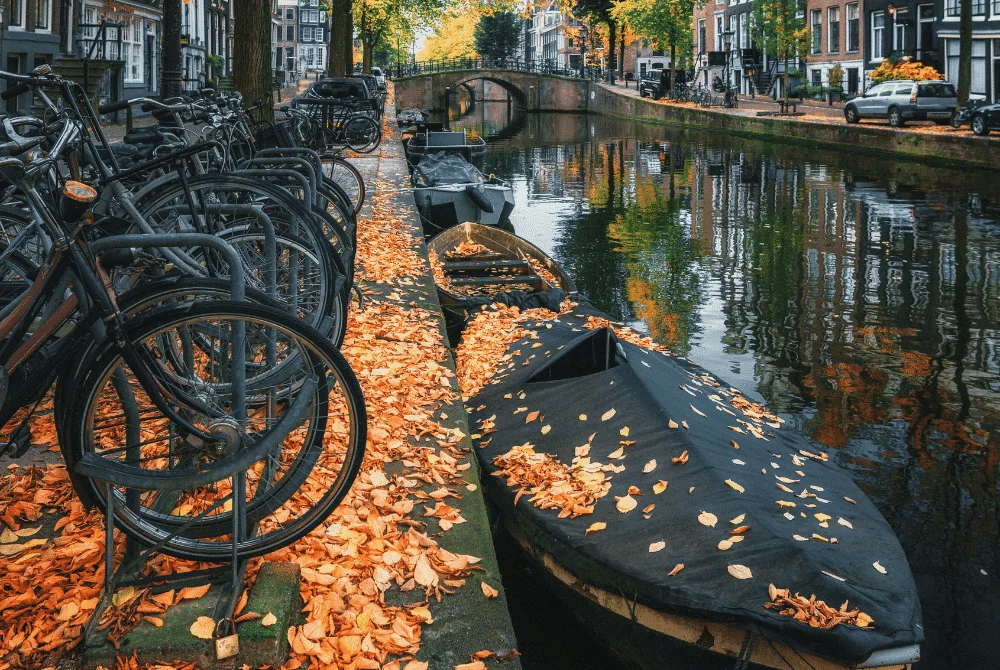
Amsterdam is famous for its canals, historic architecture, cycling culture, museums, and lively streets, but the city’s weather can be just as memorable. Amsterdam weather is influenced by its location in the Netherlands and proximity to the North Sea, creating a maritime climate with relatively mild winters, cool summers, frequent cloud cover, and rainfall throughout much of the year.
If you’re planning a trip to Amsterdam, understanding the weather can help you choose the right season, pack appropriate clothing, and plan outdoor activities more comfortably. A sunny afternoon can quickly become a rainy one, while temperatures can feel colder because of wind and humidity.
This guide explores Amsterdam weather throughout the year, including seasonal conditions, monthly temperature patterns, rainfall, the best time to visit, and practical travel advice.
What Is Amsterdam’s Climate Like?
Amsterdam has a temperate maritime climate. This means temperatures tend to be moderate rather than extremely hot or cold.
The North Sea has a major influence on local conditions. It helps prevent severe temperature extremes, but it also contributes to wind, clouds, and changeable weather.
You can experience several different conditions within the same day. A morning may begin with sunshine, followed by clouds and a brief shower in the afternoon.
Key Characteristics of Amsterdam Weather
Amsterdam’s climate generally includes:
- Mild to cool winters
- Comfortable but rarely extremely hot summers
- Frequent rainfall
- Considerable cloud cover
- Strong or noticeable winds at times
- Rapid changes in conditions
- Long daylight hours during summer
- Shorter daylight hours during winter
This unpredictability is one reason locals and experienced visitors often recommend carrying a compact rain jacket or umbrella.
Amsterdam Weather by Season
Each season offers a different experience. Your ideal time to visit depends on whether you prefer mild temperatures, spring flowers, summer outdoor activities, or a quieter winter atmosphere.
Spring Weather in Amsterdam
Spring is one of Amsterdam’s most popular seasons.
From March through May, temperatures gradually rise, daylight increases, and parks and gardens become increasingly colorful.
March
March can still feel distinctly wintry. Average daytime temperatures are generally cool, and cold winds can make the weather feel colder than the thermometer suggests.
Rain showers are possible, but sunny intervals become more frequent as the month progresses.
April
April is a classic spring month in the Netherlands. Temperatures become more comfortable, although the weather remains unpredictable.
Rain, sunshine, clouds, and wind can all appear on the same day.
April is also associated with the Netherlands’ famous tulip season, making it an especially popular time for visitors.
May
May typically brings milder conditions and longer days.
Outdoor sightseeing becomes more comfortable, and visitors can spend more time exploring Amsterdam’s canals, parks, markets, and neighborhoods.
A light jacket and rain-resistant layer are still useful because rainfall remains possible.
Summer Weather in Amsterdam
Summer generally offers Amsterdam’s warmest conditions.
June, July, and August bring long daylight hours, allowing visitors to enjoy outdoor attractions well into the evening.
June
June usually provides mild and pleasant weather. Days are long, and outdoor activities become particularly appealing.
However, rain showers remain possible, so summer in Amsterdam does not guarantee dry weather.
July
July is typically among the warmest months.
Temperatures can occasionally become quite warm during heatwaves, but Amsterdam generally does not experience consistently extreme summer temperatures.
This is an excellent period for canal cruises, cycling, outdoor cafés, and walking tours.
August
August remains relatively warm but can be unpredictable.
Some days can be bright and pleasant, while others are cloudy or rainy.
Because August is part of the peak European travel season, attractions and accommodations can become busy.
Autumn Weather in Amsterdam
Autumn arrives gradually, with temperatures declining and daylight becoming shorter.
September can still feel relatively mild, while October and November increasingly bring cooler, wetter conditions.
September
September can be one of the most pleasant months for visiting Amsterdam.
Summer crowds may begin to decrease, while temperatures remain comfortable for sightseeing.
Rain is still possible, but many days offer suitable conditions for walking and cycling.
October
October brings noticeably cooler temperatures.
The city’s parks and tree-lined streets take on autumn colors, creating attractive scenery around canals and historic neighborhoods.
Visitors should expect more frequent rain and cooler evenings.
November
November is generally cool, cloudy, and wetter.
Daylight hours become significantly shorter, and wind can make conditions feel colder.
However, Amsterdam’s museums, cafés, restaurants, and indoor attractions make it possible to enjoy the city even during poor weather.
Winter Weather in Amsterdam
Winter runs from December through February.
Amsterdam winters are generally cool rather than severely cold. Snow can occur, but persistent heavy snow is not typical.
December
December combines cool weather with the festive atmosphere of the holiday season.
Rain and wind are common possibilities, while occasional frost or snow can occur.
Warm layers and waterproof footwear are recommended.
January
January is usually among Amsterdam’s coldest months.
Daytime temperatures can remain low, and short daylight hours make the days feel even more wintry.
Still, Amsterdam’s winter rarely resembles the severe continental winters found in some parts of Europe.
February
February remains cold but can provide occasional signs of approaching spring.
The weather is still variable, with rain, clouds, wind, and occasional frosty conditions.
Amsterdam Weather Month by Month
A general overview can help travelers understand what to expect:
| Month | General Conditions | Travel Considerations |
|---|---|---|
| January | Cold, cloudy, damp | Warm layers and waterproof clothing |
| February | Cold and changeable | Prepare for wind and rain |
| March | Cool, improving | Layers and rain protection |
| April | Mild but unpredictable | Excellent for spring sightseeing |
| May | Mild and increasingly pleasant | Good for outdoor activities |
| June | Mild to warm | Long days and outdoor exploration |
| July | Warmest period | Popular and often busy |
| August | Mild to warm, changeable | Summer clothing plus rain protection |
| September | Mild and comfortable | Good balance of weather and crowds |
| October | Cool and wetter | Waterproof outerwear recommended |
| November | Cool, cloudy, rainy | Indoor attractions become useful |
| December | Cold and festive | Warm clothing and waterproof shoes |
These are broad seasonal patterns rather than guarantees. Actual weather can vary significantly from year to year.
Does It Rain a Lot in Amsterdam?
Rain is an important part of Amsterdam’s climate.
Amsterdam does not necessarily experience heavy rain every day, but rainfall can occur throughout the year. Showers are often intermittent, meaning a rainy period may be followed by sunshine.
This is why weather forecasts are particularly useful when planning outdoor activities.
How to Prepare for Rain
Travelers should consider packing:
- A lightweight waterproof jacket
- Water-resistant shoes
- A compact umbrella
- Quick-drying clothing
- A protective bag for electronics
A waterproof jacket is often more practical for cyclists and walkers than relying entirely on an umbrella, especially when wind is present.
What Is the Best Time to Visit Amsterdam?
There is no single perfect month for everyone.
The best time to visit Amsterdam depends on your priorities.
Best Weather for Outdoor Activities
Late spring through early autumn generally offers the most comfortable conditions for exploring the city outdoors.
May, June, and September can be particularly appealing because temperatures are generally moderate.
Best Time for Tulips
Spring is the obvious choice for travelers interested in tulips and Dutch flower culture.
April is particularly associated with colorful spring blooms, although exact flowering periods vary with weather conditions each year.
Best Time for Fewer Crowds
Late autumn and winter can be quieter than the peak summer period.
Cold and wet weather can discourage some tourists, but visitors who enjoy museums, cafés, galleries, and relaxed city exploration may find winter appealing.
What Should You Pack for Amsterdam Weather?
Packing for Amsterdam requires flexibility.
Instead of bringing clothing for only one temperature range, use layers.
Spring Packing
Consider:
- Lightweight sweaters
- Waterproof jacket
- Comfortable walking shoes
- Jeans or trousers
- Scarf for cooler mornings
Summer Packing
Bring:
- Lightweight shirts
- Comfortable trousers or shorts
- Light jacket
- Rain jacket
- Comfortable walking shoes
Autumn Packing
A good autumn wardrobe includes:
- Sweaters
- Waterproof coat
- Long trousers
- Comfortable boots or shoes
- Scarf
Winter Packing
Winter travelers should consider:
- Warm coat
- Sweaters
- Gloves
- Hat
- Scarf
- Waterproof footwear
Amsterdam Weather and Cycling
Cycling is one of the best ways to experience Amsterdam, but weather can affect the experience.
Rain, strong winds, and slippery roads can make cycling less comfortable. If you’re planning to rent a bicycle, check the forecast before setting out.
On mild, dry days, cycling can be one of the most enjoyable ways to explore neighborhoods beyond the main tourist center.
How Amsterdam Weather Affects Travel Plans
Weather does not have to ruin a trip.
The key is to maintain a flexible itinerary.
On sunny days, prioritize:
- Canal walks
- Parks
- Cycling
- Outdoor markets
- Canal cruises
- Neighborhood exploration
When rain arrives, switch to:
- Museums
- Art galleries
- Cafés
- Restaurants
- Historic buildings
- Indoor attractions
Having alternatives makes a trip much easier when the forecast changes unexpectedly.
Frequently Asked Questions About Amsterdam Weather
1. What is the weather like in Amsterdam?
Amsterdam generally has a mild maritime climate. Summers are usually mild to warm, winters are cool, and rain is possible throughout the year.
2. What is the best month to visit Amsterdam for good weather?
May, June, and September are often attractive choices for comfortable temperatures and outdoor sightseeing. However, conditions vary from year to year.
3. Does Amsterdam get snow?
Yes, snow can occur during winter, but significant or prolonged snowfall is not guaranteed. Many winter days are instead characterized by rain, clouds, wind, and cool temperatures.
4. Is Amsterdam rainy all year?
Rainfall can occur during every season. However, this does not mean it rains continuously. Amsterdam often experiences short showers mixed with cloudy or sunny periods.
5. What should I wear in Amsterdam?
Layers are usually the best approach. Comfortable walking shoes and a waterproof outer layer are useful in every season because conditions can change quickly.
Conclusion
Understanding Amsterdam weather is an important part of planning a comfortable trip to the Dutch capital. The city experiences a mild maritime climate, meaning extreme temperatures are relatively uncommon, but rain, clouds, and wind can appear at almost any time.
Spring offers flowers and gradually warmer conditions, summer brings long daylight hours and opportunities for outdoor activities, autumn delivers cooler temperatures and colorful scenery, while winter creates a quieter atmosphere ideal for museums, cafés, and indoor attractions.
Whatever season you choose, flexibility is the best strategy. Check the forecast regularly, dress in layers, bring protection from rain, and plan both indoor and outdoor activities. With the right preparation, changing weather becomes part of the Amsterdam experience rather than a reason to change your travel plans.