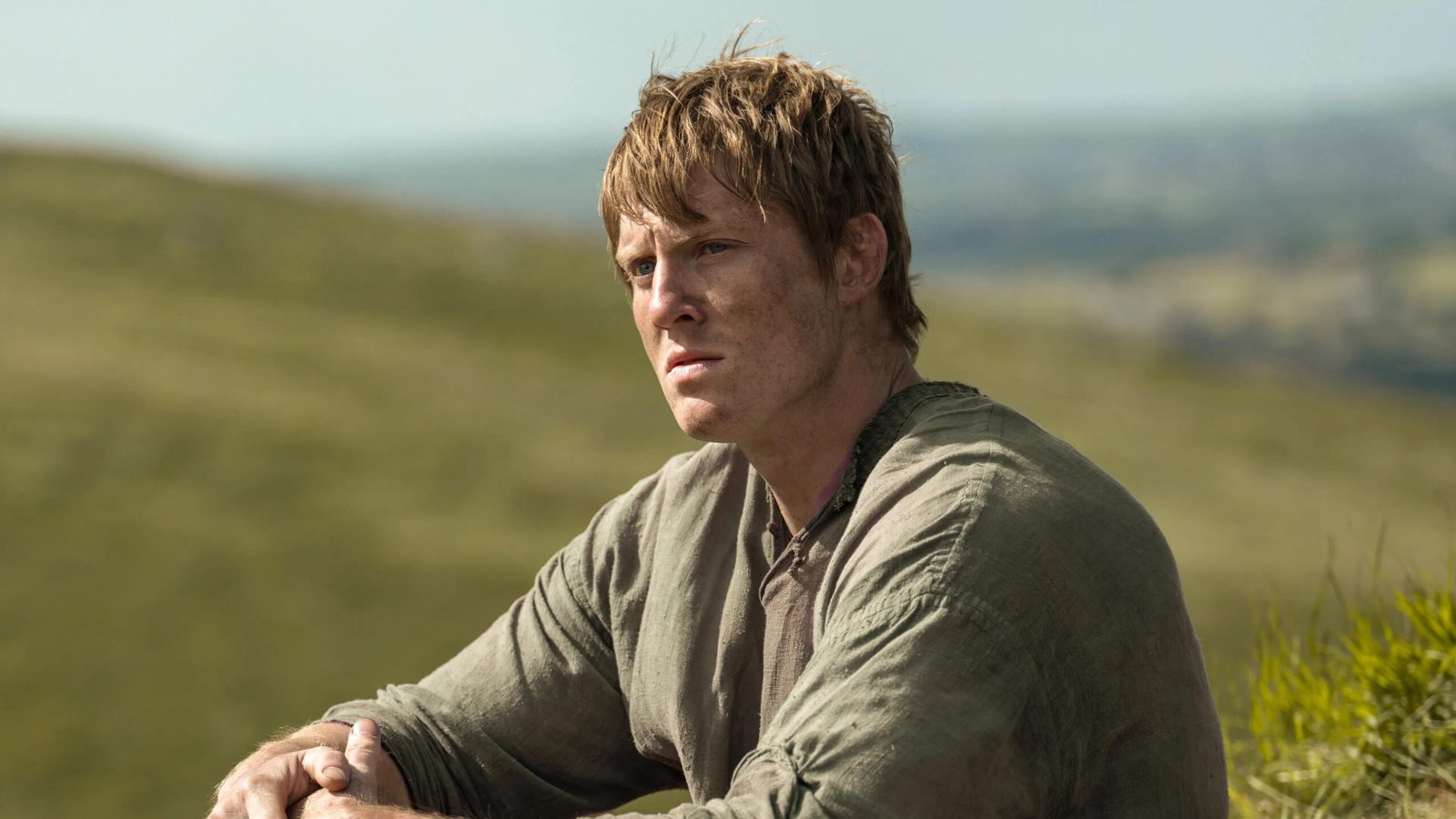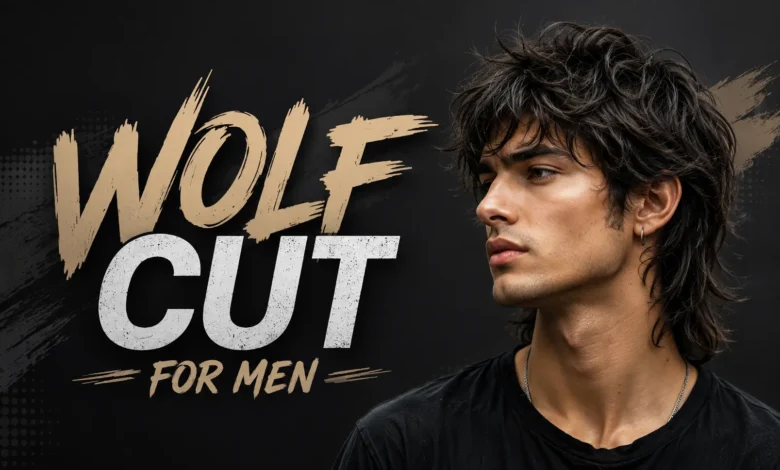
The men’s wolf cut has become one of the most recognizable modern hairstyles for guys who want something relaxed, textured, and slightly rebellious. Combining the layered shape of a shag with some of the structure associated with a mullet, the wolf cut offers a distinctive look without requiring perfectly styled hair every morning.
One of its biggest advantages is flexibility. A wolf cut can be adapted for straight, wavy, curly, or thick hair. It can also range from subtle and wearable to dramatically layered and edgy. That makes it appealing to people who want a hairstyle that feels individual rather than overly polished.
But getting the right wolf cut is about more than showing a barber a picture and asking for “the trend.” Face shape, hair density, natural texture, length, and maintenance preferences all influence how the haircut will look.
This guide explores everything you need to know about the mens wolf cut, including popular variations, styling methods, maintenance, and tips for choosing a version that works with your hair.
What Is a Men’s Wolf Cut?
A wolf cut is a heavily layered hairstyle that blends characteristics of a shag and a mullet.
The style typically features:
- Noticeable layers
- More volume around the crown
- Texture through the sides and back
- A relatively shorter top section
- Longer pieces toward the back
- A deliberately undone appearance
Unlike a traditional short haircut, the wolf cut relies heavily on movement and texture.
The goal isn’t necessarily for every strand to sit perfectly. Instead, the haircut is designed to create a loose, natural shape.
Wolf Cut vs. Mullet
The two hairstyles can look similar, but they are not identical.
A traditional mullet often has a more obvious distinction between shorter hair at the front and sides and longer hair at the back.
A wolf cut usually relies more heavily on layering.
The transition between sections can be softer and more blended, creating a shaggy appearance rather than a sharply separated silhouette.
Wolf Cut vs. Shag
A shag is generally characterized by layers and texture throughout the haircut.
A wolf cut takes some of those characteristics and combines them with a more noticeable length difference toward the back.
In simple terms, you can think of the wolf cut as a modern hybrid that sits somewhere between a shag and a mullet.
Why Is the Men’s Wolf Cut So Popular?
The hairstyle appeals to people who want something fashionable without looking excessively formal.
It Looks Naturally Textured
One reason the style works well is that it doesn’t depend on perfect symmetry.
A little movement can actually improve the look.
This makes the wolf cut particularly attractive for people with naturally wavy or thick hair.
It Can Be Customized
There isn’t one universal wolf cut.
You can choose:
- Short wolf cuts
- Medium-length wolf cuts
- Long wolf cuts
- Curly wolf cuts
- Wavy wolf cuts
- Straight wolf cuts
- Low-key versions
- Dramatic versions
This flexibility makes it easier to adapt the trend to your personal style.
It Works With Casual Fashion
The relaxed shape pairs naturally with casual clothing, streetwear, vintage-inspired outfits, and alternative fashion.
However, a more controlled version can also work in professional environments depending on workplace expectations.
Popular Men’s Wolf Cut Styles
The best wolf cut depends on how much texture, length, and contrast you want.
Short Wolf Cut
A short wolf cut keeps the overall silhouette relatively compact.
The layers are still visible, but the back does not extend dramatically.
Best For
A short wolf cut can be a good choice if you want to experiment with the trend without committing to long hair.
It is also easier to maintain than some longer variations.
Medium Wolf Cut
The medium version offers a balance between structure and movement.
The back is long enough to create the characteristic wolf-cut silhouette, while the sides and top remain relatively manageable.
This is one of the most versatile options because it can work with several hair textures.
Long Wolf Cut
A long wolf cut creates a stronger shaggy effect.
The extra length allows the layers to move more dramatically.
Who Might Prefer It?
Long-haired men who want to add shape and personality without losing too much overall length may find this variation appealing.
Curly Wolf Cut
Curly hair can create a particularly distinctive wolf cut because natural curls add volume and movement.
Instead of fighting the curl pattern, the haircut can use it to create texture.
A barber should understand curly hair before removing significant amounts of length because curls can shrink considerably once dry.
Wavy Wolf Cut
Wavy hair is naturally suited to a layered haircut.
The waves can give the wolf cut volume without requiring excessive styling products.
This variation often produces a relaxed, beachy appearance.
Straight Wolf Cut
Straight hair can also work well, but the haircut may need additional texturizing to prevent it from appearing flat.
Styling products such as sea salt spray or lightweight texture cream can help create movement.
Choosing a Wolf Cut for Your Face Shape
Although face shape should not dictate every haircut decision, it can help when choosing proportions.
Oval Face
An oval face generally works with many hairstyles.
You can experiment with different wolf-cut lengths and fringe styles.
Round Face
A little extra height around the crown can help create a more elongated appearance.
Avoid making the sides excessively wide if you want a more balanced silhouette.
Square Face
The angular structure of a square face can contrast nicely with the softer layers of a wolf cut.
A textured fringe can help create a relaxed appearance.
Long Face
Longer face shapes may benefit from a wolf cut with balanced volume around the sides rather than excessive height on top.
The goal is to create proportion.
How to Ask Your Barber for a Men’s Wolf Cut
One of the easiest ways to get the wrong haircut is to use only the phrase “wolf cut.”
Different barbers may interpret that description differently.
Instead, bring several reference photos showing the style from different angles.
Explain:
- How much length you want to keep
- How long you want the back
- How short you want the sides
- Whether you want bangs
- How much layering you prefer
- Whether you want a subtle or dramatic result
Show Your Natural Hair
Your barber needs to see how your hair behaves naturally.
If your hair is curly or wavy, explain how it normally dries.
This helps determine how much length should be removed.
How to Style a Men’s Wolf Cut
The good news is that wolf cuts generally don’t require an elaborate routine.
Step 1: Start With Damp Hair
After washing, gently towel-dry your hair.
Avoid aggressively rubbing it, especially if you have curly or wavy hair.
Step 2: Add a Lightweight Product
Depending on your hair type, use:
- Sea salt spray
- Texture spray
- Styling cream
- Curl cream
- Lightweight mousse
- Matte styling paste
Avoid using too much product.
The wolf cut is supposed to retain movement.
Step 3: Shape the Layers
Use your fingers to separate the layers.
Rather than combing everything flat, encourage the hair to fall naturally.
Step 4: Let It Dry
Air drying can work especially well for wavy and curly hair.
If you use a blow dryer, consider a diffuser for textured hair.
Step 5: Finish With Texture
Once dry, gently separate sections with your fingers.
A small amount of matte paste can emphasize individual pieces without making the entire hairstyle stiff.
Wolf Cut Maintenance
A wolf cut can look intentionally messy, but that doesn’t mean it requires no maintenance.
Regular Trims
Depending on how quickly your hair grows and how precise you want the shape to remain, regular trims can help maintain the layers.
If you want to preserve significant length, tell your barber that you only want the shape and layers refreshed.
Washing Routine
Your ideal washing schedule depends on your scalp and hair type.
Overwashing can leave some hair types dry, while insufficient cleansing can lead to buildup.
Choose a routine that keeps both your scalp comfortable and your hair manageable.
Protect Your Hair From Heat
Frequent use of straighteners, curling irons, or hot blow dryers can cause damage.
Use heat protection when styling with hot tools.
Common Wolf Cut Mistakes
The trend looks effortless, but a poor cut can quickly become difficult to manage.
Cutting Too Much Length
A wolf cut depends on contrast between layers and length.
Removing too much hair can eliminate the shape you wanted.
Over-Thinning Thick Hair
Texturizing can help thick hair, but excessive thinning may create unwanted frizz or unevenness.
Ignoring Your Hair Texture
A reference image may show straight hair while yours is naturally curly.
The final result will therefore look different.
Choose a haircut that works with your natural texture rather than constantly fighting it.
Using Too Much Product
Heavy wax or gel can make a wolf cut stiff.
The style generally benefits from movement.
Is a Wolf Cut Professional?
It depends on the workplace.
Some modern workplaces are relaxed about hairstyles, while others have more traditional appearance standards.
If you work in a conservative environment, consider a more subtle wolf cut with controlled layers and a shorter back.
You can always make the style more dramatic later.
Frequently Asked Questions
1. What is a men’s wolf cut?
A men’s wolf cut is a heavily layered hairstyle combining elements of a shag and a mullet. It typically features textured layers, crown volume, and a longer back.
2. Is a wolf cut good for men with curly hair?
Yes. Curly hair can work especially well with a wolf cut because natural curls provide volume and movement. However, the cut should be adapted to the individual’s curl pattern.
3. How long does your hair need to be for a wolf cut?
There is no single required length. Short, medium, and long wolf cuts are possible. However, having some length at the back and enough hair for visible layers makes the characteristic shape easier to create.
4. Is a wolf cut high maintenance?
It can be relatively low maintenance compared with highly structured hairstyles. However, regular trims and basic styling may be needed to preserve the intended shape.
5. Can straight hair have a wolf cut?
Absolutely. Straight hair can have a wolf cut, although styling products or texturizing techniques may be useful for creating additional movement and volume.
Conclusion
The mens wolf cut offers a flexible combination of texture, layers, volume, and length. Its popularity comes partly from the fact that it doesn’t have to look perfectly polished. Instead, the hairstyle embraces movement and individuality.
Whether you choose a short, medium, long, curly, wavy, or straight version, the most important factor is adapting the haircut to your natural hair and personal preferences. A good reference photo can help, but your barber should adjust the cut based on your hair density, texture, face shape, and desired level of maintenance.
If you’re considering the trend for the first time, starting with a subtle wolf cut can be a smart option. You can always grow the back longer or add more dramatic layers later.
Ultimately, the best wolf cut is not simply the one that is trending. It’s the version that fits your hair, your lifestyle, and your personality while remaining easy enough to maintain. With the right cut and a little styling, you can achieve the relaxed, textured appearance that makes this hairstyle so distinctive.