Introduction
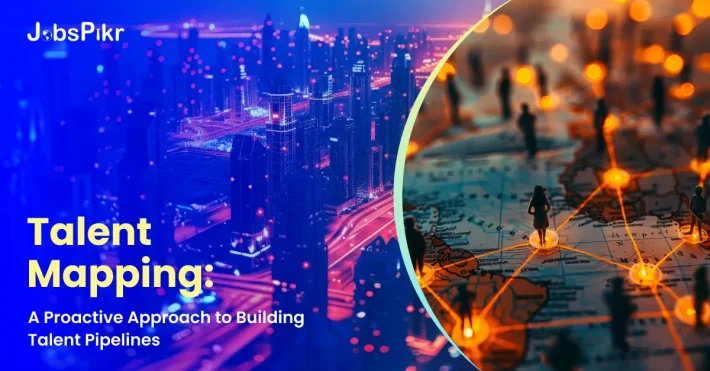
What is talent mapping, and why has it become an important part of modern workforce planning? Businesses today operate in an environment where skills, technologies, and job requirements can change quickly. Hiring new employees is important, but organizations also need to understand the talent they already have and determine how those employees can contribute to future goals.
Talent mapping is a structured approach to identifying employee skills, strengths, experience, potential, and development needs. It helps organizations understand where their people fit today and where they may be able to contribute in the future.
Instead of looking at employees only through their current job titles, talent mapping provides a broader picture of workforce capabilities. It can help managers identify high-potential employees, recognize skill gaps, plan succession, support career development, and make more informed workforce decisions.
Whether you work in human resources, manage a growing business, or are interested in workforce strategy, understanding talent mapping can help explain how organizations build stronger teams for the long term.
What Is Talent Mapping?
Talent mapping is the process of evaluating and organizing information about an organization’s workforce to understand employees’ current capabilities and future potential.
It typically considers factors such as:
- Current skills and qualifications
- Job performance
- Professional experience
- Career interests
- Leadership potential
- Development needs
- Future role suitability
- Critical skills required by the organization
The goal is not simply to rank employees. Instead, talent mapping helps create a clearer picture of the workforce so that business leaders can make strategic decisions about development, internal mobility, recruitment, and succession planning.
For example, suppose a company expects to expand its technology department over the next three years. Through talent mapping, HR leaders might discover that several existing employees already have transferable technical skills but need additional training. Rather than immediately hiring for every future position, the company could develop those employees for new responsibilities.
How Does Talent Mapping Work?
Talent mapping can vary between organizations, but the basic process usually follows several stages.
1. Identify Business Goals
The process should begin with the organization’s future objectives. Leaders need to understand what the company is trying to achieve and what types of talent will be required.
For example, a company planning international expansion may need employees with:
- International business experience
- Language skills
- Regional market knowledge
- Leadership capabilities
- Cross-cultural communication skills
Understanding these requirements makes it easier to compare future needs with existing capabilities.
2. Assess Current Talent
The next step is to gather information about employees. This may include performance reviews, qualifications, technical skills, experience, career aspirations, and manager feedback.
Organizations may also use skills assessments or employee surveys to create a more complete workforce profile.
3. Identify Skill Gaps
Once current capabilities are understood, organizations can compare them with future requirements.
A skill gap exists when the organization needs a capability that is not sufficiently available within the existing workforce.
For example, a business may plan to introduce artificial intelligence tools but discover that only a small number of employees have relevant experience. The organization can then decide whether to train existing workers, recruit new specialists, or use a combination of both strategies.
4. Evaluate Potential
Talent mapping often looks beyond current performance. An employee who performs well in one role may have the potential to succeed in a more advanced position after receiving appropriate development.
Potential can involve qualities such as:
- Learning agility
- Leadership ability
- Problem-solving skills
- Adaptability
- Communication
- Strategic thinking
- Willingness to take on new challenges
It is important to distinguish potential from current performance. Someone may be excellent in their existing role without wanting or being suited to a leadership position.
5. Create Development Plans
After identifying strengths and gaps, organizations can develop targeted employee development plans.
These might include:
- Training programs
- Mentoring
- Coaching
- Job rotations
- Stretch assignments
- Leadership development
- Professional certifications
- Cross-functional projects
Development plans turn talent mapping from an assessment exercise into an actionable workforce strategy.
Why Is Talent Mapping Important?
Talent mapping can provide value to organizations of different sizes and industries.
Better Workforce Planning
Organizations need to know whether they have the right people and skills to achieve future objectives. Talent mapping provides information that can support workforce planning and reduce uncertainty.
Instead of asking only, “Who do we need to hire?” leaders can also ask, “What capabilities do we already have, and how can we develop them?”
Improved Employee Development
Employees are more likely to grow when organizations understand their abilities and career goals.
Talent mapping can help managers identify suitable development opportunities and create clearer career paths. This can make professional growth more intentional rather than leaving employees to figure it out independently.
Stronger Succession Planning
Critical positions can create significant risks when there is no replacement plan. Talent mapping helps organizations identify employees who could potentially step into important roles in the future.
A succession plan does not mean automatically promoting someone. It means preparing capable employees so the organization has options when leadership or specialist positions become available.
Reduced Skill Gaps
Technology and business requirements constantly evolve. Talent mapping helps companies recognize where their current workforce may lack important capabilities.
Once those gaps are visible, leaders can make informed decisions about training, recruitment, outsourcing, or restructuring.
Better Internal Mobility
Employees do not always have to leave a company to advance their careers. Talent mapping can reveal opportunities for internal movement.
For example, an employee in customer support may have strong analytical and communication skills that could make them suitable for a business analyst position after additional training.
Talent Mapping vs. Talent Management
Talent mapping and talent management are closely related, but they are not exactly the same.
Talent mapping focuses on understanding where employees are positioned in terms of skills, performance, potential, and future suitability.
Talent management is the broader process of attracting, developing, retaining, and deploying employees effectively.
In simple terms, talent mapping can be considered one component of a larger talent management strategy.
Talent mapping provides useful information, while talent management uses that information to support decisions and employee programs.
Common Talent Mapping Tools
Organizations use different tools and methods to map their workforce.
Skills Inventories
A skills inventory records employee capabilities, qualifications, certifications, experience, and areas of expertise. It can help HR teams quickly identify people with specific skills.
Performance and Potential Matrices
Some organizations use a matrix that compares employee performance with future potential. A common example is a nine-box grid.
Although these frameworks can be useful, they should not be treated as absolute judgments. Employee performance and potential can change over time.
Competency Frameworks
A competency framework defines the skills and behaviors needed for particular roles. Managers can then compare employees against these expectations.
HR Technology
Modern human resources platforms can help organizations store employee profiles, track skills, analyze workforce data, and identify development opportunities.
Technology can make the process more efficient, but the quality of the results still depends on accurate data and thoughtful management decisions.
How to Create an Effective Talent Mapping Strategy
A successful approach requires more than putting employee names into a spreadsheet.
Define Clear Objectives
First, determine why the organization is creating the talent map. Is the objective succession planning, skills development, workforce expansion, internal mobility, or something else?
A clear purpose prevents the process from becoming unnecessarily complicated.
Use Relevant Criteria
Organizations should evaluate factors that actually matter to their goals. Depending on the business, these could include technical expertise, leadership skills, customer service, adaptability, or industry knowledge.
Keep Information Updated
Employee capabilities can change quickly. Someone may complete a certification, develop a new skill, change career interests, or take on additional responsibilities.
Talent maps should therefore be reviewed regularly rather than created once and forgotten.
Involve Employees
Employees should have an opportunity to discuss their skills, ambitions, and development needs. Relying entirely on management opinions can result in an incomplete picture.
Employee self-assessments can provide useful information that complements manager evaluations.
Avoid Bias
Talent mapping can influence important career decisions, so organizations need fair and consistent evaluation criteria.
Managers should avoid making decisions based on personal preferences, assumptions, or stereotypes. Using documented competencies and multiple sources of evidence can make the process more objective.
Challenges of Talent Mapping
Although talent mapping offers many benefits, it also has potential challenges.
Incomplete Data
If employee profiles are outdated, the resulting talent map may be inaccurate. Organizations should establish processes for regularly updating skills and career information.
Subjective Assessments
Performance and potential can sometimes be difficult to measure objectively. Different managers may have different interpretations of what makes an employee high-potential.
Using consistent evaluation criteria can help reduce this problem.
Employee Concerns
Employees may worry that talent mapping labels them permanently or affects their career opportunities. Organizations should clearly explain the purpose of the process and how employee information will be used.
Overreliance on Rankings
A talent map should support decision-making rather than define an employee’s entire professional identity. People develop at different rates, and circumstances can change.
The Future of Talent Mapping
The future of talent mapping is likely to become increasingly data-driven. Organizations can combine information from performance systems, learning platforms, skills databases, and employee profiles to build a more detailed understanding of workforce capabilities.
Artificial intelligence may also help identify patterns, recommend learning opportunities, and highlight potential skill gaps. However, technology should support human decision-making rather than completely replace it.
The most effective organizations will likely combine workforce data with conversations between employees and managers. Data can show what skills exist, while human discussion can provide context about career goals, motivation, and future aspirations.
Frequently Asked Questions
1. What is talent mapping in simple terms?
Talent mapping is a way for organizations to understand their employees’ skills, experience, performance, and potential so they can plan workforce development and future roles more effectively.
2. What is the main purpose of talent mapping?
The main purpose is to identify current workforce capabilities, future potential, skill gaps, and development opportunities. It can support succession planning, internal mobility, recruitment, and employee development.
3. Is talent mapping the same as performance management?
No. Performance management focuses primarily on setting expectations, reviewing performance, and improving employee effectiveness. Talent mapping takes a broader view by considering skills, potential, career development, and future organizational needs.
4. Who is responsible for talent mapping?
HR teams often coordinate talent mapping, but effective programs usually involve senior leaders, managers, and employees. Collaboration helps create a more complete and accurate picture of the workforce.
5. How often should a company update its talent map?
There is no universal schedule, but organizations should review talent information regularly. An annual formal review combined with updates when employees change roles, gain skills, or take on new responsibilities can be effective.
Conclusion
Understanding what is talent mapping is important for organizations that want to build a workforce prepared for both current responsibilities and future challenges. Rather than focusing solely on recruitment, talent mapping helps businesses understand the capabilities they already possess and determine how those capabilities can be developed.
A strong talent mapping strategy can reveal skill gaps, support succession planning, improve internal mobility, and create more focused employee development opportunities. It can also help leaders make better workforce decisions based on a clearer understanding of their people.
However, talent mapping works best when it is treated as an ongoing process rather than a one-time ranking exercise. Organizations should keep employee information updated, use fair evaluation criteria, involve employees in career conversations, and combine data with human judgment.
When used thoughtfully, talent mapping becomes more than an HR tool. It can become a strategic way to connect people, skills, career growth, and business goals—helping organizations build stronger and more adaptable teams for the future.